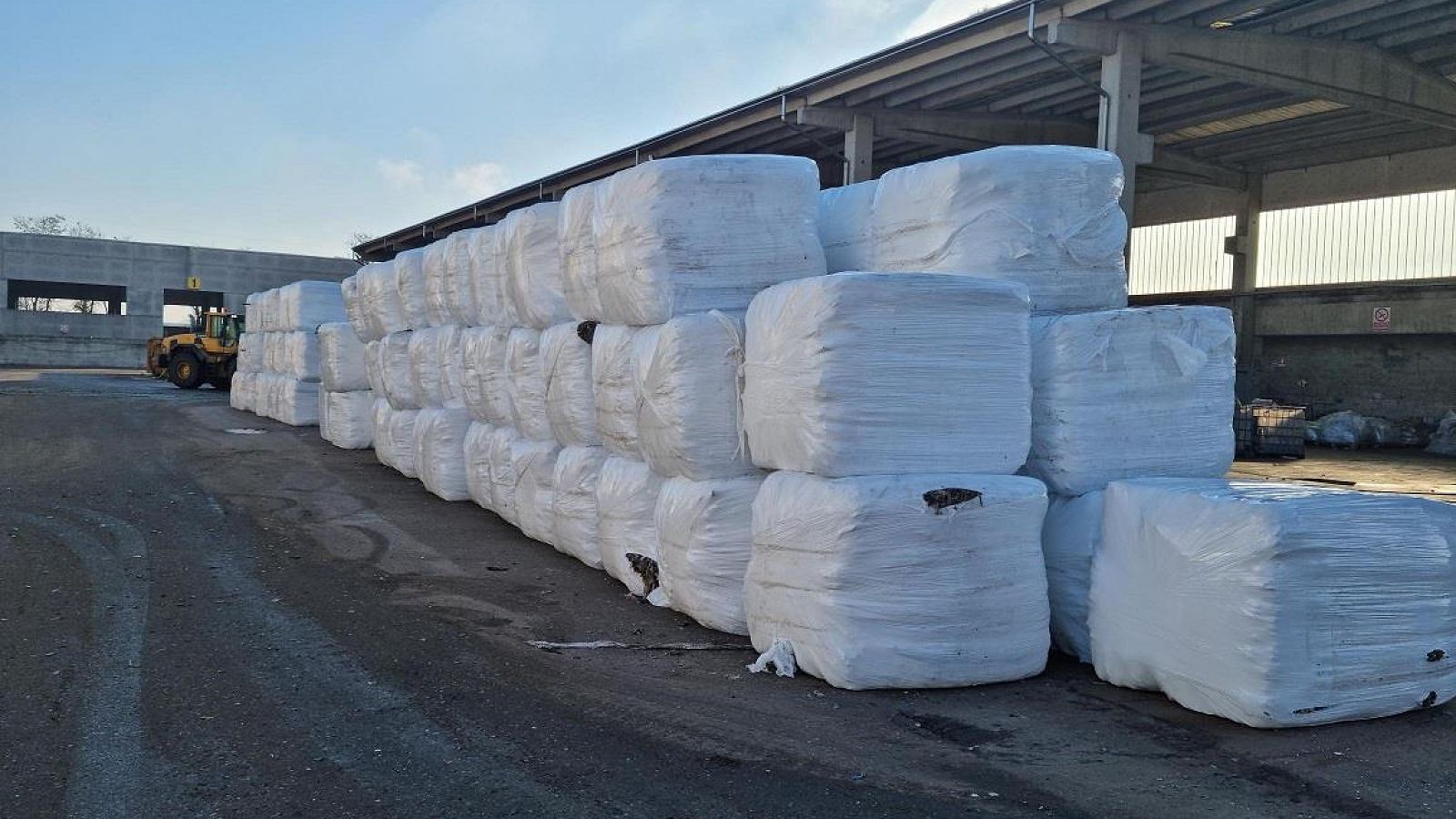
SH-EBS Waste code (AVV) 19 12 10
Solid recovered fuel (SRF/EBS)
Classified to EN ISO 21640
Processed, high-calorific fractions from commercial and industrial waste — classified, documented and matched to the combustion plant of the buyer.
SRF, RDF and EBS — what is the difference?
The terms get mixed up in the market. RDF (refuse derived fuel) is the general word for any fuel recovered from waste. SRF (solid recovered fuel) is the narrower, standardised term: a fuel from non-hazardous waste, classified to EN ISO 21640. The German equivalent is the Ersatzbrennstoff (substitute fuel), EBS for short.
Classification runs on three parameters: the net calorific value as the economic parameter, the chlorine content as the technical parameter and the mercury content as the environmental parameter. Each parameter is divided into five classes; the class code names all three. What a buyer is allowed to burn is decided by its permit — not by what happens to be available.
Origin
SRF is made from the high-calorific fractions of commercial, industrial and mixed construction waste that remain once the recyclable portions have been taken out. We buy the material from processing plants and place it with buyers who hold a matching combustion permit.
Typical constituents
- Plastics that are not accessible to material recycling
- Paper, board and composites
- Wood fractions
- Textiles and other high-calorific residues
- Mineral fractions and metals are largely separated out
Specification
SRF is classified to EN ISO 21640. Calorific value, chlorine and mercury content determine the class code and are analysed for every batch; the values for your delivery are stated in the certificate of analysis.
| Waste code (AVV) | 19 12 10 |
|---|---|
| Classification | EN ISO 21640 |
| Net calorific value (NCV) (MJ/kg) | on request |
| Chlorine (Cl) (%) | on request |
| Mercury (Hg) (mg/MJ) | on request |
| Water content (%) | on request |
| Ash content (%) | on request |
| Biogenic content (%) | on request |
| Particle size | matched to the combustion plant mm |
Delivery form & logistics
| Packing | Film-wrapped bales or loose |
|---|---|
| Mode of shipment | Walking-floor trailer, 40 ft container, bulk vessel |
| Load weight per container (t) | on request |
| Stowage requirement (m³/t) | on request |
| Delivery terms | FCA, FOB, CIF, DAP — Incoterms 2020 |
| Availability | contract-dependent |
What the fuel does not contain
A substitute fuel must not put the permit values of the combustion plant at risk. Excluded are:
- Hazardous waste of any kind
- Infectious medical waste
- Batteries and waste electrical equipment
- Asbestos and asbestos-containing materials
- Radioactive substances
- Unsorted municipal waste
- Mineral fractions above the agreed tolerance
How buyers use it
-
Cement industry
Substitution of fossil fuels in the rotary kiln.
-
Lime industry
Used in permitted lime shaft kilns.
-
SRF power plants
Power and heat generation in plants designed for it.
-
Industrial steam generation
Process steam for energy-intensive production.
Classes according to EN ISO 21640
For recovered fuels: enter the analysis values and the tool determines the classes for calorific value, chlorine and mercury.
| Property | Class 1 | Class 2 | Class 3 | Class 4 | Class 5 |
|---|---|---|---|---|---|
| Net calorific value, mean (MJ/kg, as received) | ≥ 25 | ≥ 20 | ≥ 15 | ≥ 10 | ≥ 3 |
| Chlorine, mean (% dry basis) | ≤ 0.2 | ≤ 0.6 | ≤ 1.0 | ≤ 1.5 | ≤ 3.0 |
| Mercury, median (mg/MJ) | ≤ 0.02 | ≤ 0.03 | ≤ 0.05 | ≤ 0.10 | ≤ 0.15 |
| Mercury, 80th percentile (mg/MJ) | ≤ 0.04 | ≤ 0.06 | ≤ 0.10 | ≤ 0.20 | ≤ 0.30 |
Calculate an EN ISO 21640 class code
The mercury class is set by the less favourable of the median and the 80th percentile.
Frequently asked questions
- What does the class code to EN ISO 21640 mean?
- It names three classes: one for the calorific value, one for the chlorine content and one for the mercury content. Each runs from 1 to 5, with 1 the most favourable. The calculator on this page lets you work out the code from your own analysis values.
- Is EBS the same as RDF?
- Not quite. RDF is the general umbrella term; SRF, or EBS in German usage, is the fuel classified to EN ISO 21640. In tenders the terms are often used interchangeably — if in doubt, ask for the class code, not for the name.
- Do we need a special permit?
- Yes. Using substitute fuels is tied to the permit for your combustion plant. We only deliver to buyers who can evidence that they are allowed to use it.
Waste shipment
Which rules apply to the export of our materials — and which part of it we take on.
Our grades
-
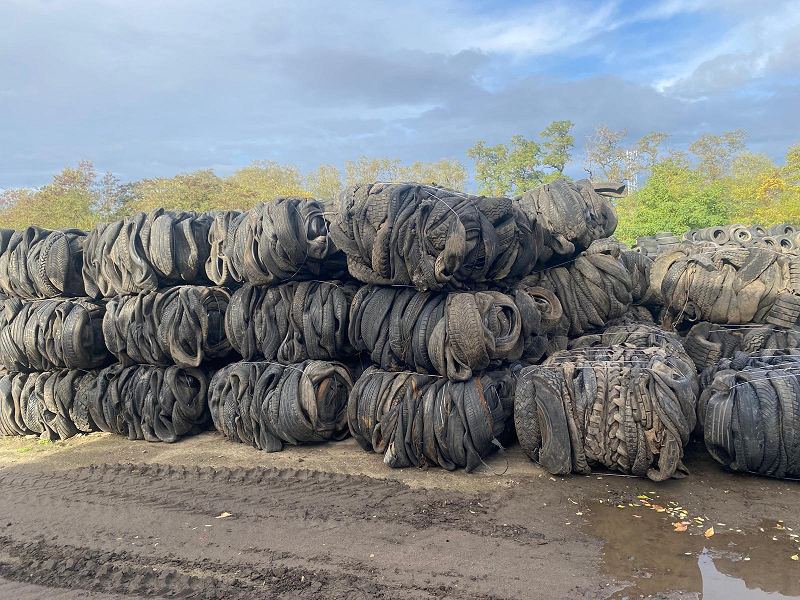 Baled end-of-life tyres
Whole end-of-life tyres pressed into wire-bound bales — the standard form for sea transport.
Baled end-of-life tyres
Whole end-of-life tyres pressed into wire-bound bales — the standard form for sea transport.
-
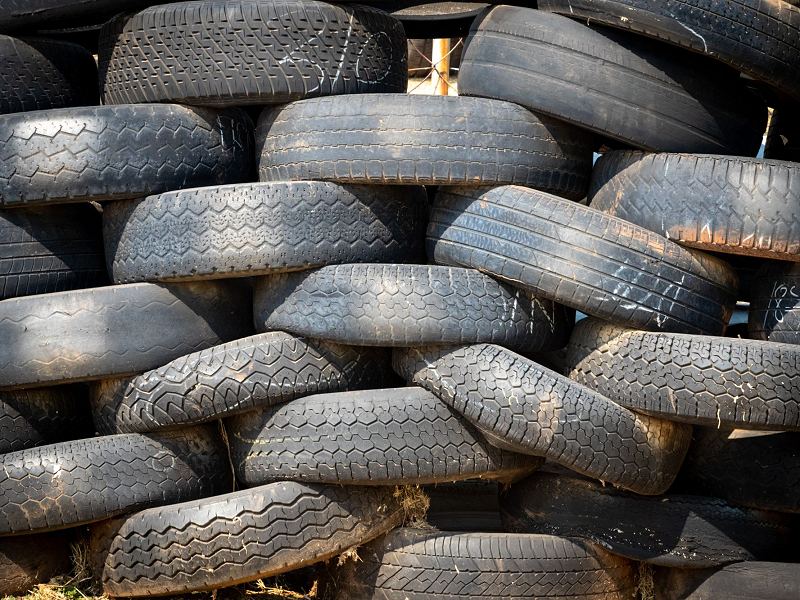 Part-worn tyres & casings
Part-worn tyres with tread and retreadable casings, sorted by tread depth and condition.
Part-worn tyres & casings
Part-worn tyres with tread and retreadable casings, sorted by tread depth and condition.
-
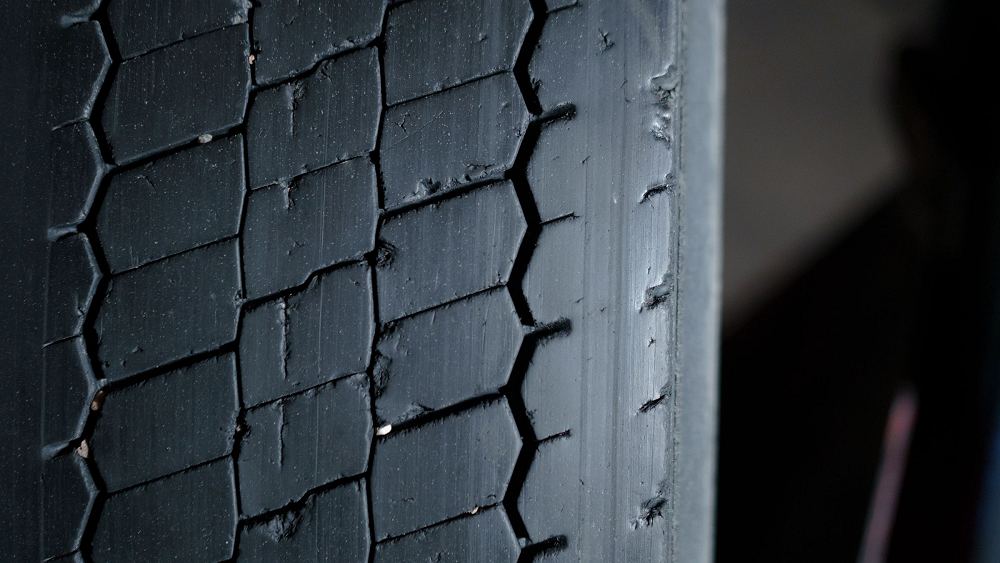 Tyre shred & TDF
Shredded end-of-life tyres in defined particle sizes, with or without wire separation.
Tyre shred & TDF
Shredded end-of-life tyres in defined particle sizes, with or without wire separation.
-
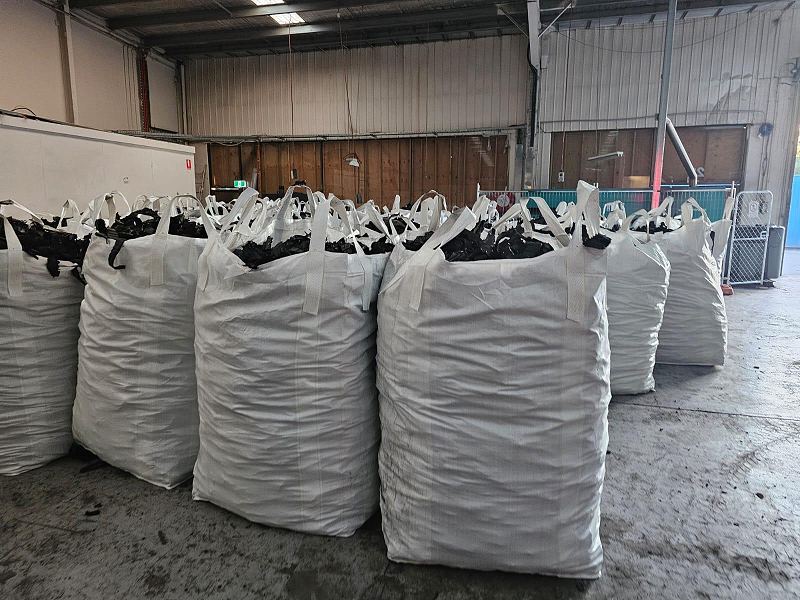 Rubber granulate & rubber powder
Rubber granulate and rubber powder recovered from end-of-life tyres in defined particle sizes.
Rubber granulate & rubber powder
Rubber granulate and rubber powder recovered from end-of-life tyres in defined particle sizes.
-
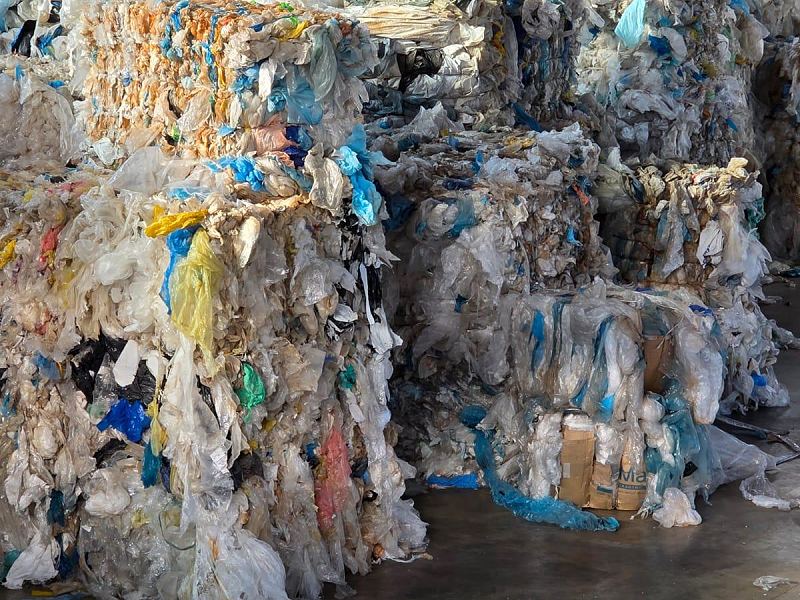 Plastics
Films, rigid plastics and mixed fractions, baled and separated by polymer.
Plastics
Films, rigid plastics and mixed fractions, baled and separated by polymer.
Direct contact
Request a quotation
Give us the product, the volume, the destination port and the delivery term you want — you will receive a quotation with specification and loading plan.
Send an enquiry