SH-PW
Part-worn tyres & casings
Sorted by tread depth, not sold by weight
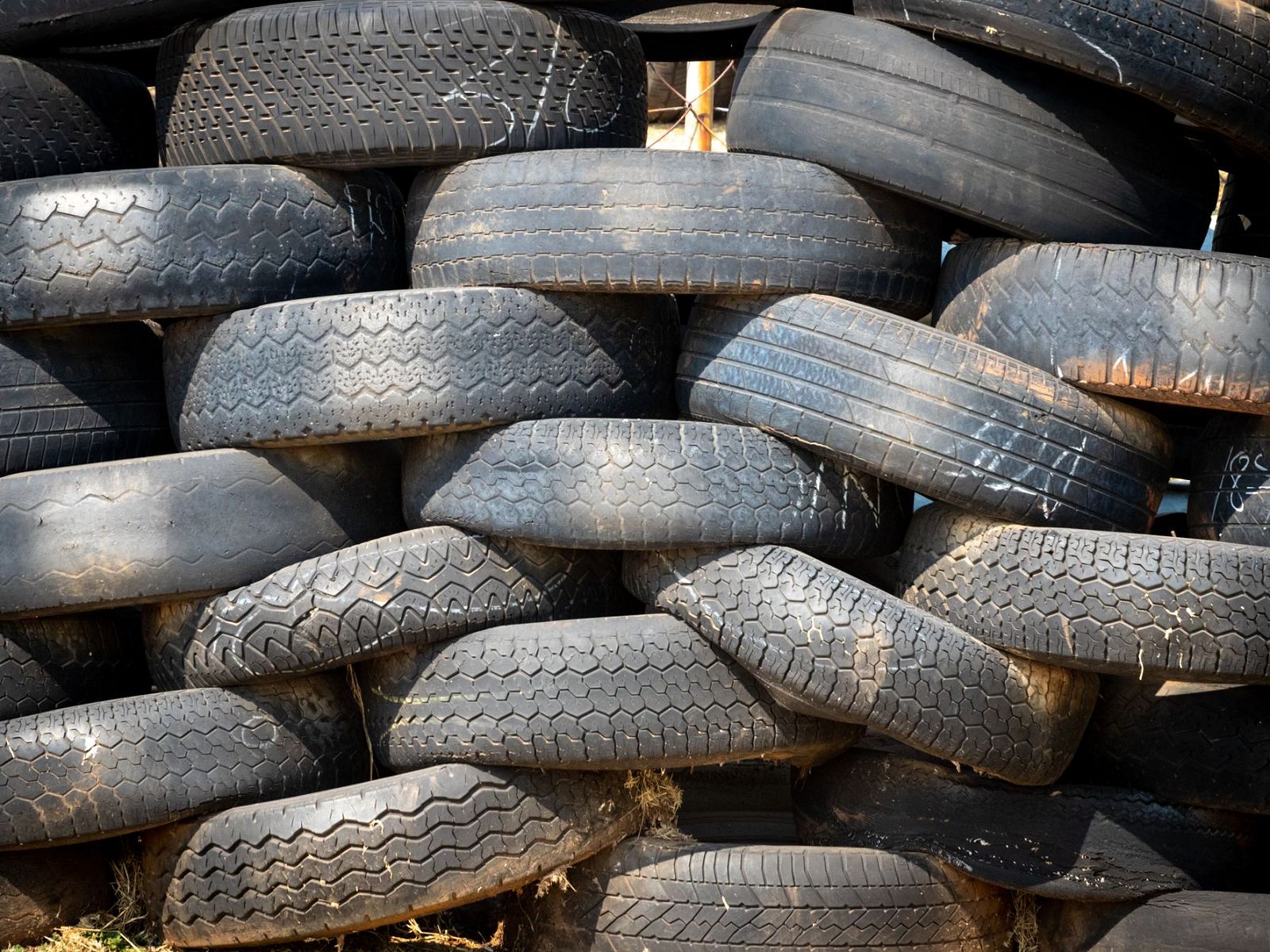
Tyres with service life left in them and retreadable casings — sorted, inspected and kept apart by quality grade.
Part-worn tyres are not waste
The distinction is decisive both legally and commercially. A part-worn tyre with enough tread and no damage is a product that is resold and driven on. An end-of-life tyre is waste. A casing sits in between: the tread is worn out, but the load-bearing structure is intact, so the tyre can be retreaded.
These three categories are traded differently, documented differently and shipped differently. Mix them up and you get trouble at import. That is why we sort strictly and deliver each grade separately.
Origin
Part-worn tyres and casings come mainly from the seasonal changeover business of the German tyre trade, as well as from garages and fleet operators. We take the material in sorted or unsorted and carry out the grading ourselves.
Sorting criteria
- Tread depth in grades from 2 mm, 3 mm, 4 mm and 5 mm upwards
- Summer, winter and all-season tyres (M+S) kept separate
- Car, van and truck kept separate
- Casings assessed for retreadability
- Rejected: cuts, bulges, sidewall damage, repairs, ageing cracks
Specification
Part-worn tyres are traded by the piece and by quality grade, not by tonnage. We agree the make-up of a load with you before loading.
| Trading status | Product, not waste |
|---|---|
| Tread depth | grades from 2 mm — subject to agreement mm |
| Season | Summer / winter / M+S, kept separate |
| Vehicle class | Car, van, truck |
| Customs heading | on request |
| Pieces per 40 ft container (pcs) | on request |
| Casing assessment | visual, piece by piece |
| Rims | removed |
Delivery form & logistics
| Packing | Loose stacked or bundled |
|---|---|
| Mode of shipment | 40 ft high-cube container |
| Load weight per container (t) | on request |
| Loading ports | Hamburg, Bremerhaven; others by arrangement |
| Delivery terms | FCA, FOB, CIF, CFR — Incoterms 2020 |
| Availability | seasonal, with peaks after the changeover periods |
What we sort out
A part-worn tyre that cannot legally be used in the destination country is worthless to the buyer. We therefore do not deliver:
- Tyres with cuts, bulges or sidewall damage
- Tyres with visible ageing cracks
- Tyres with improper repairs
- Tyres below the agreed tread depth
- Run-flat and special tyres, unless expressly ordered
- Tyres with an illegible DOT code, where this is required
How buyers use it
-
Resale
Resold as part-worn tyres in markets where tyres with tread are in demand.
-
Retreading
Casings go into hot or cold retreading and are given a new tread.
-
Fleet supply
Supplying hauliers with inexpensive, inspected stock.
Frequently asked questions
- How do you tell part-worn tyres from end-of-life tyres?
- By tread depth and condition. A tyre with enough tread, no damage and no ageing cracks is a product. Everything else goes into the waste stream and is handled as an end-of-life tyre — with the papers that go with it.
- Can we set our own sorting grade?
- Yes. Tread depth, seasonal split, size mix and brand share can all be agreed. The more precise the brief, the more reliable the load.
- Do you supply truck casings as well?
- On request. Truck casings are assessed on their own terms, because retreadability is judged differently than for car tyres.
Waste shipment
Which rules apply to the export of our materials — and which part of it we take on.
Our grades
-
 Baled end-of-life tyres
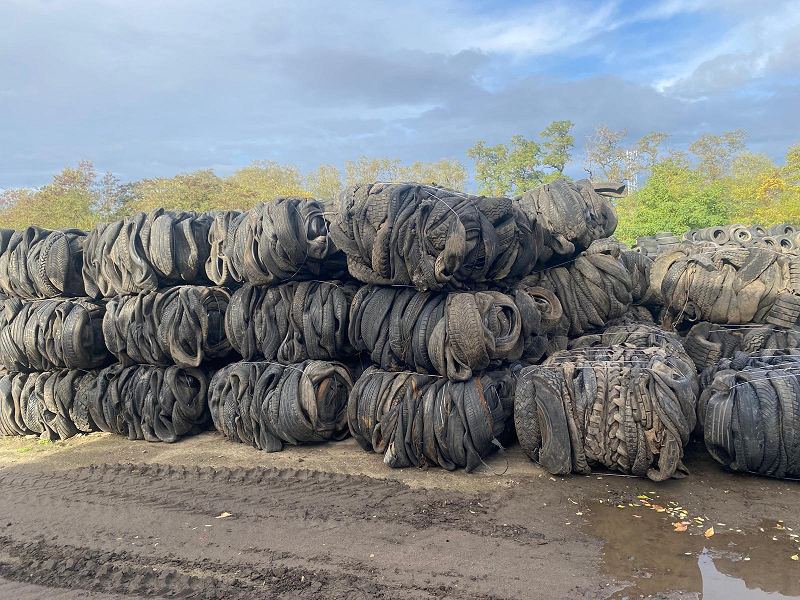
Whole end-of-life tyres pressed into wire-bound bales — the standard form for sea transport.
Baled end-of-life tyres
Whole end-of-life tyres pressed into wire-bound bales — the standard form for sea transport.
-
 Tyre shred & TDF
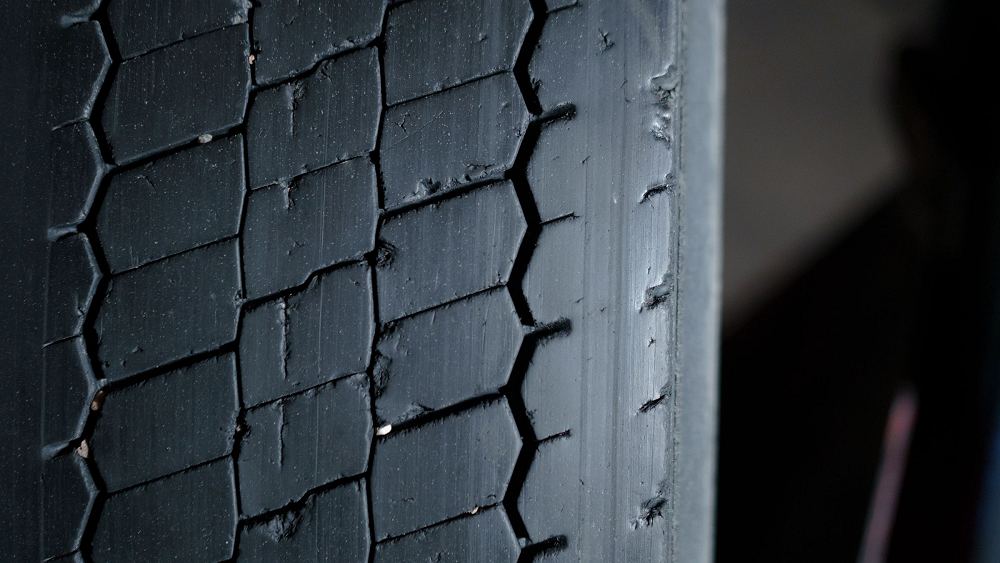
Shredded end-of-life tyres in defined particle sizes, with or without wire separation.
Tyre shred & TDF
Shredded end-of-life tyres in defined particle sizes, with or without wire separation.
-
 Rubber granulate & rubber powder
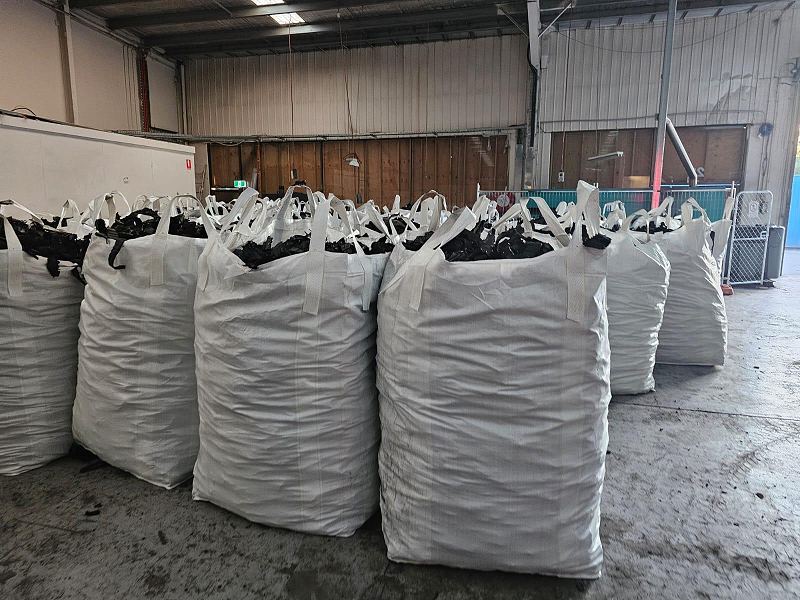
Rubber granulate and rubber powder recovered from end-of-life tyres in defined particle sizes.
Rubber granulate & rubber powder
Rubber granulate and rubber powder recovered from end-of-life tyres in defined particle sizes.
-
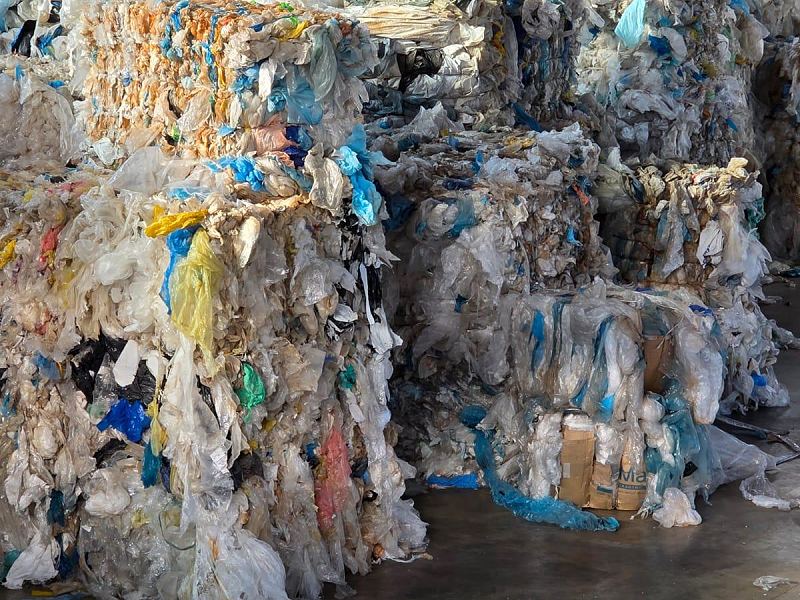 Plastics
Films, rigid plastics and mixed fractions, baled and separated by polymer.
Plastics
Films, rigid plastics and mixed fractions, baled and separated by polymer.
-
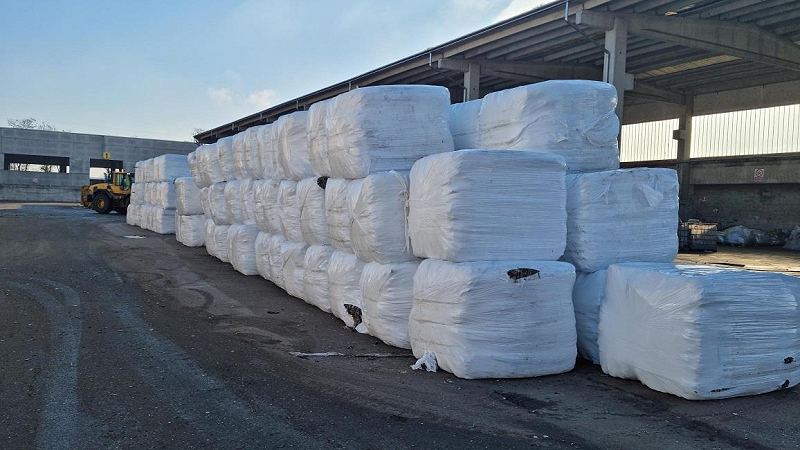 Solid recovered fuel (SRF/EBS)
High-calorific fractions from commercial and industrial waste, classified to EN ISO 21640.
Solid recovered fuel (SRF/EBS)
High-calorific fractions from commercial and industrial waste, classified to EN ISO 21640.
Direct contact
Request a quotation
Give us the product, the volume, the destination port and the delivery term you want — you will receive a quotation with specification and loading plan.
Send an enquiry