Waste shipment

Which rules apply to the export of our materials — and which part of it we take on.

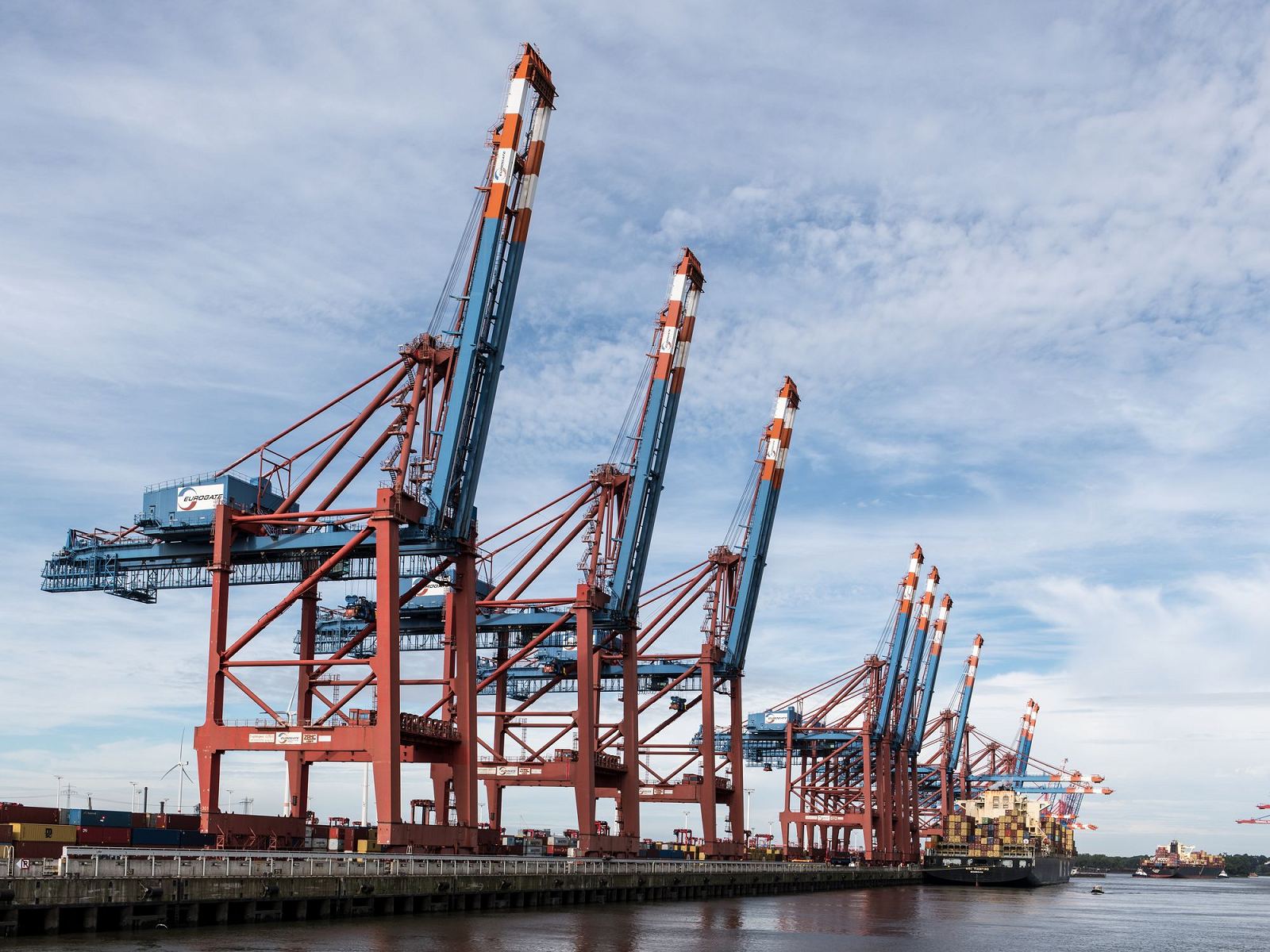
Container cranes at the port, standing for sea export

The most common question in a first conversation

Buyers outside the EU almost always ask the same thing: will the goods clear customs, and who deals with the papers? This page answers the first part. The second part we take on.

The following is a general summary of the legal framework and does not replace legal advice in an individual case. What counts are the regulations as they currently stand, together with the requirements of the country of destination.

The legal framework

  • EU Waste Shipment Regulation

    Regulation (EU) 2024/1157, which replaced Regulation (EC) No 1013/2006, governs the cross-border shipment of waste out of and into the European Union. It determines which procedure applies to which waste and which country of destination.

  • Basel Convention

    The Basel Convention on the control of transboundary movements of hazardous wastes provides the basis in international law. Wastes are assigned to lists under it; end-of-life tyres carry the code B3140 and count as green-listed waste.

  • OECD Council Decision

    A separate control system applies to shipments between OECD countries. Whether a country of destination is an OECD member largely decides which procedure applies.

Two procedures

Which procedure applies depends on the classification of the waste and on the country of destination. The distinction matters because it determines lead time and effort.

Information procedure (Annex VII)

For green-listed waste shipped for recovery to a country that allows the import. The consignment travels with an Annex VII document naming producer, carrier, consignee, waste type, quantity and recovery operation. No official consent is required before transport.

  • Shorter lead time
  • Document travels with the consignment
  • Contract between consignor and consignee required

Notification procedure

For waste subject to notification and for shipments to states that do not accept the information procedure. Before transport, all the authorities concerned must consent in writing; in addition, a financial guarantee and a contract with the consignee have to be evidenced.

  • Considerably longer lead time
  • Consent of every authority involved required
  • Financial guarantee and movement documents required

Electronic processing

With the new regulation, data exchange for waste shipments has been moved to electronic procedures. Shipments under the information procedure, which used to be handled on paper, are covered as well. For consignors that means the details have to be complete and in the system before transport begins — correcting them afterwards at the port no longer works.

What we take on

Our customers should be buying material, not procedures. That is why the paperwork sits with us:

  • Classification of the material and assignment of the correct waste code
  • Checking the import conditions of the country of destination before the deal is closed
  • Preparation and electronic submission of the shipment documents
  • Contractual basis between consignor and consignee
  • Coordination with authorities, shipping line and port operator
  • Complete documentation for every consignment

Import restrictions in the destination market

The European legal framework is only one half of it. The other half is the national requirements of the country of destination: import licences, prior approval for the receiving plant, quantity quotas, quality requirements and bans on individual waste types. These requirements change, and they change more often for plastic waste than for end-of-life tyres. We check them afresh before every deal instead of relying on where things stood on the last one.

A check for your destination market

Give us the material and the country of destination. We will tell you which procedure applies, which papers are needed and what lead time you have to reckon with.

Send an enquiry