Knowledge
Explained in plain terms: materials, specifications and the rules under which waste crosses borders.
All articles
These articles come out of questions we are actually asked — by suppliers who want to know what their material is worth, and by buyers who want to understand what they are getting.
-
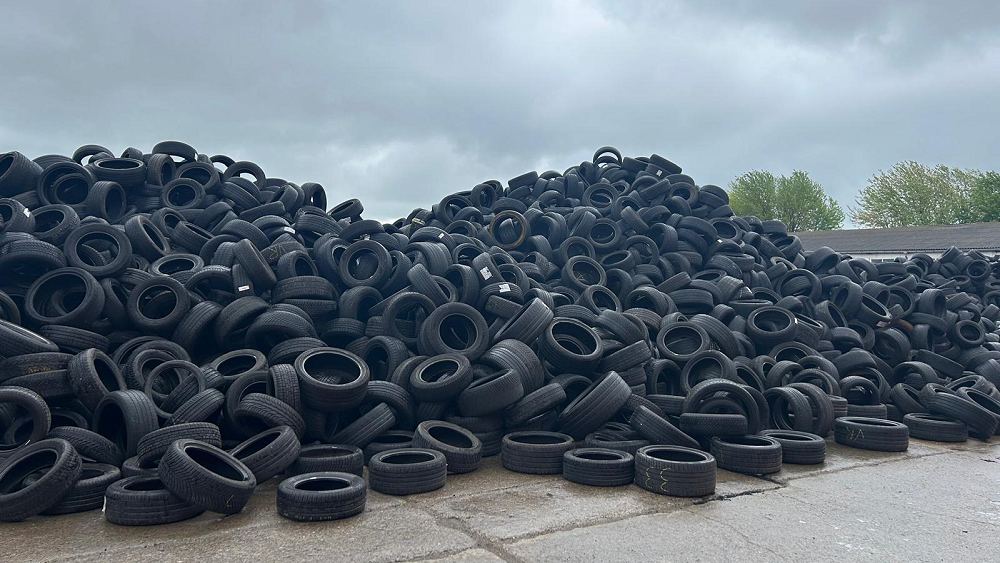 Waste tyres, part-worn tyres and casings: the differences
Waste tyres, part-worn tyres and casings look alike but form three categories. The classification decides the legal route, the price and the paperwork.
Waste tyres, part-worn tyres and casings: the differences
Waste tyres, part-worn tyres and casings look alike but form three categories. The classification decides the legal route, the price and the paperwork.
-
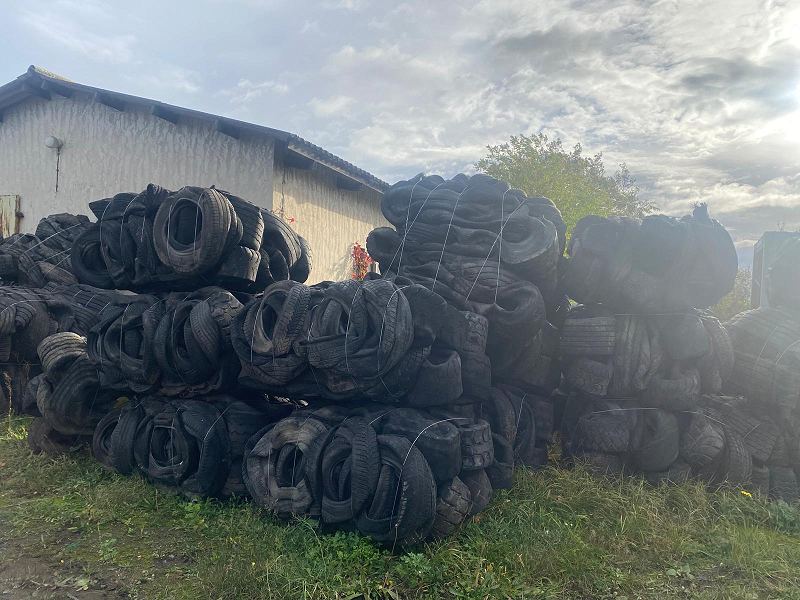 Why bale waste tyres?
Loose tyres fill a container mostly with air. Bales raise the loaded density, cut the freight per tonne and change storage and handling.
Why bale waste tyres?
Loose tyres fill a container mostly with air. Bales raise the loaded density, cut the freight per tonne and change storage and handling.
-
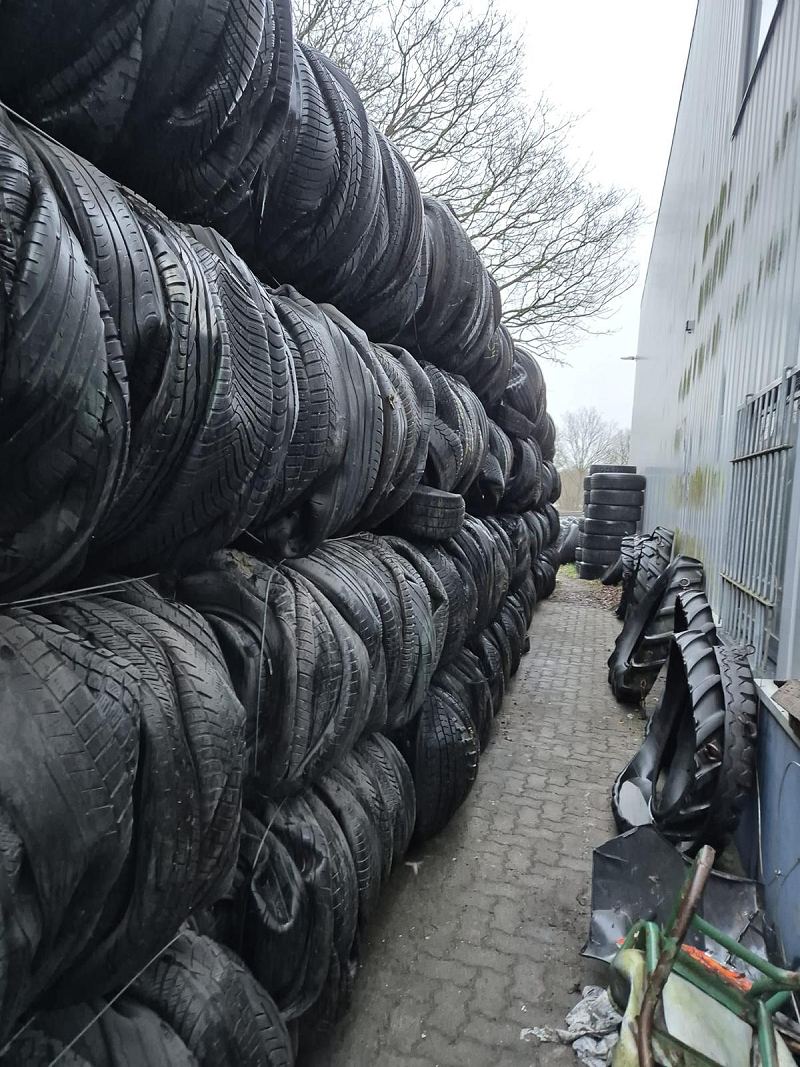 Exporting waste from Germany: Annex VII or notification?
When is the Annex VII document enough and when is a notification required? An overview of the EU Waste Shipment Regulation.
Exporting waste from Germany: Annex VII or notification?
When is the Annex VII document enough and when is a notification required? An overview of the EU Waste Shipment Regulation.
-
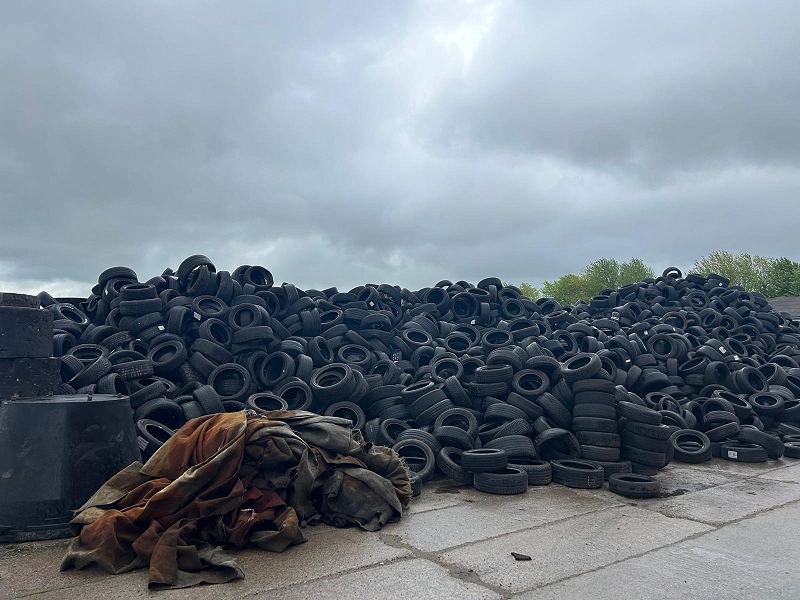 Who may trade waste in Germany
Notification under § 53 KrWG, permit under § 54 KrWG, Entsorgungsfachbetrieb status and record-keeping: the duties on both sides of a deal.
Who may trade waste in Germany
Notification under § 53 KrWG, permit under § 54 KrWG, Entsorgungsfachbetrieb status and record-keeping: the duties on both sides of a deal.
-
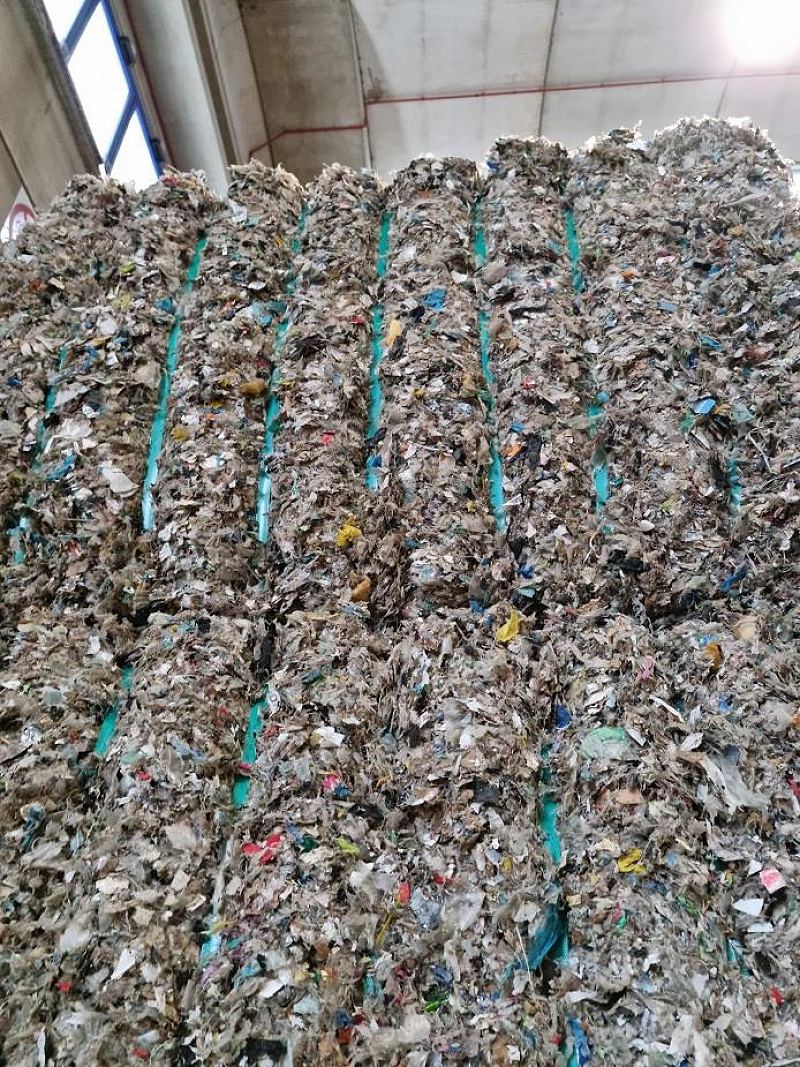 TDF: waste tyres as a substitute fuel in cement kilns
What TDF is, why a cement kiln can take tyre material including the steel cord, and which size grades the market distinguishes.
TDF: waste tyres as a substitute fuel in cement kilns
What TDF is, why a cement kiln can take tyre material including the steel cord, and which size grades the market distinguishes.
-
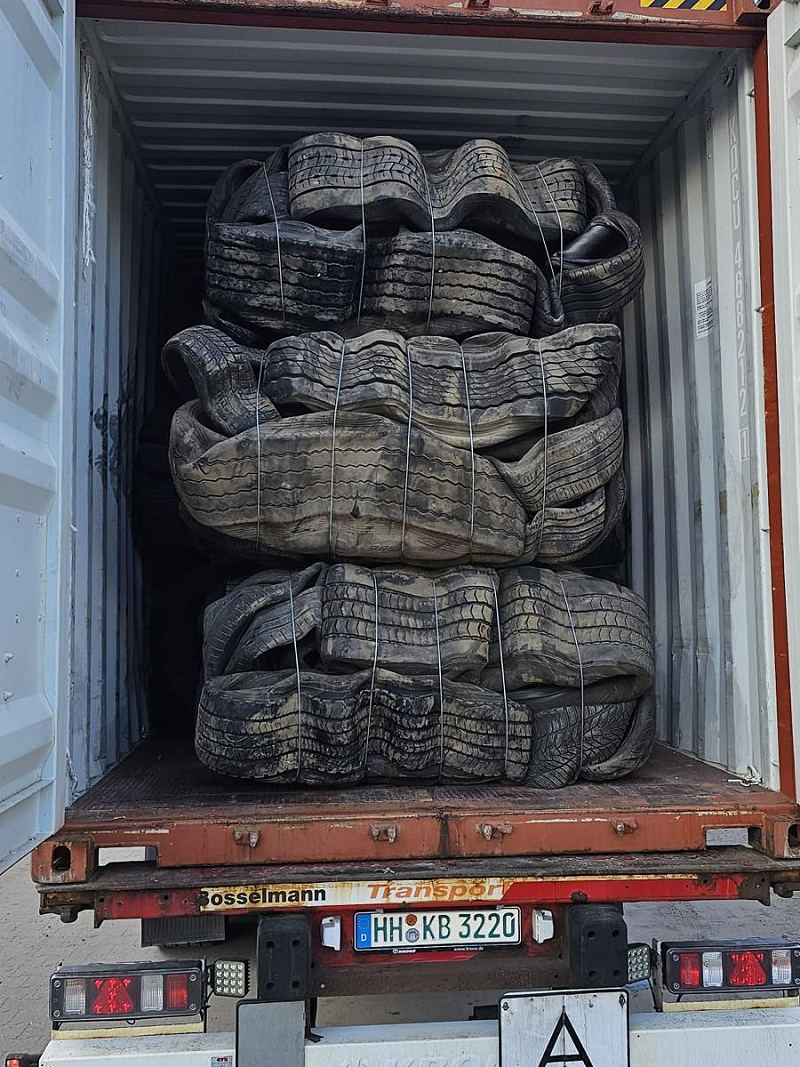 How a 40-foot container is loaded
Container types, payload and volume, bale dimensions, lashing, the seal and VGM: what really decides how a sea container is loaded.
How a 40-foot container is loaded
Container types, payload and volume, bale dimensions, lashing, the seal and VGM: what really decides how a sea container is loaded.
-
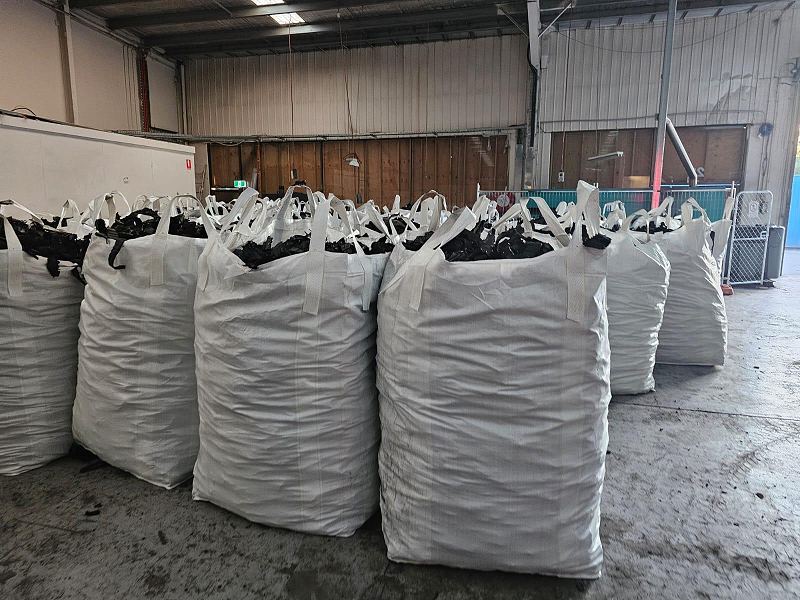 How to write a specification that holds
Which parameters matter per material, why tolerance, sampling and test method belong in the text, and how it gets into the contract.
How to write a specification that holds
Which parameters matter per material, why tolerance, sampling and test method belong in the text, and how it gets into the contract.
-
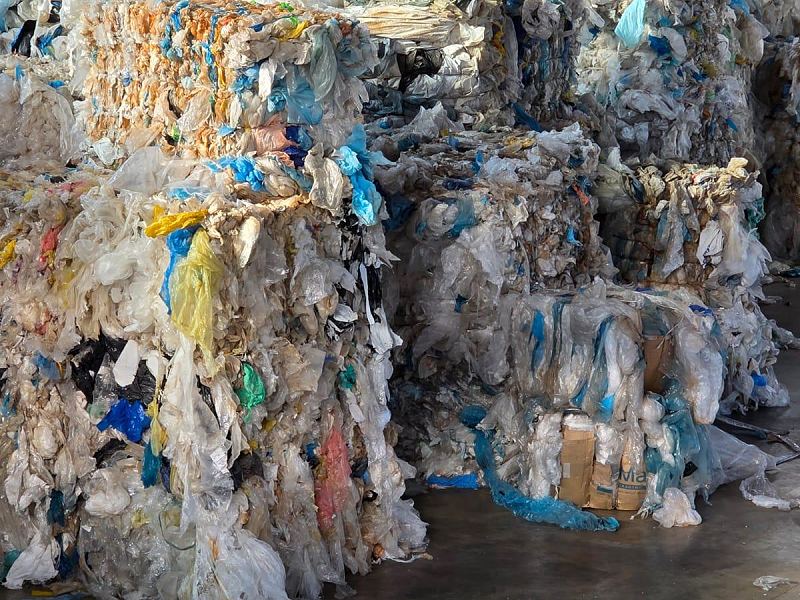 Understanding plastic scrap: LDPE, PP, HDPE and mixed fractions
Origin, trading forms, sorting purity, contaminants and import rules: an overview of LDPE, PP, HDPE and mixed fractions.
Understanding plastic scrap: LDPE, PP, HDPE and mixed fractions
Origin, trading forms, sorting purity, contaminants and import rules: an overview of LDPE, PP, HDPE and mixed fractions.
Question still open?
Write to us. We answer within one working day — and if a question comes up often, it turns into an article.
Send an enquiry