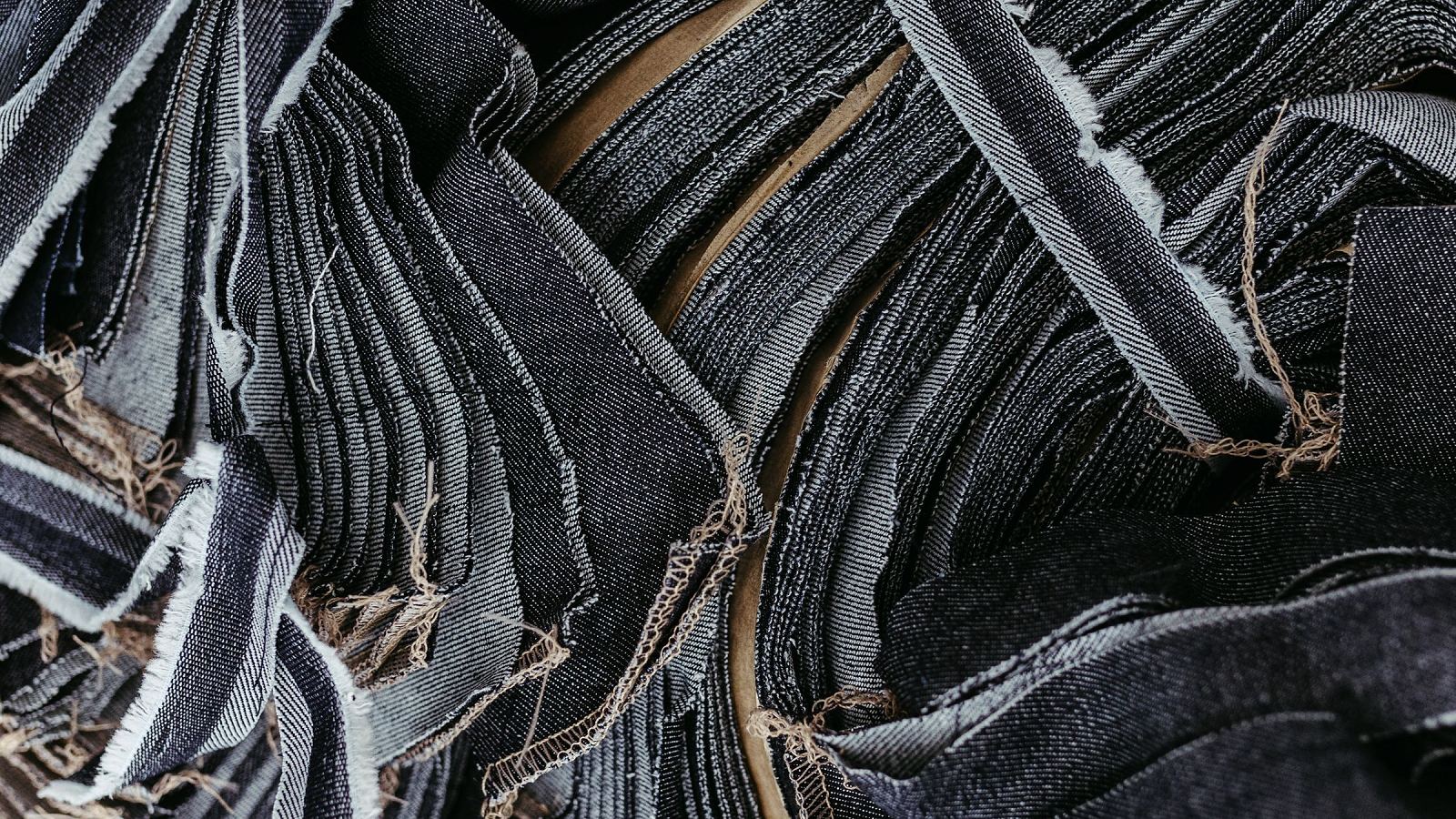
SH-TEX Waste code (AVV) 20 01 10 / 20 01 11
Mixed textile waste, non-hazardous
21 – 25 MJ/kg, baled, around 60 % polyester
Mixed post-consumer textiles from clothing and household textiles, pressed into bales — fuel for cement works and energy recovery plants.
Why textiles work as a fuel
A considerable share of the textiles collected can neither be resold as second-hand goods nor sensibly reprocessed into new fibre: blended fabrics, worn-out or soiled material. That very fraction, though, has a calorific value on a par with recovered fuels, and in permitted combustion plants it replaces fossil fuels.
The high polyester content is what carries the calorific value here. We deliver the material baled and with a documented composition, so that the buyer can factor it into its fuel mix.
Origin
The material comes from collections and sorting operations in Europe. Whatever is fit for second-hand sale or for fibre recycling is sorted out beforehand; what reaches us is the fraction for which there is no material recovery route left.
Typical composition
- Polyester around 60 per cent, tolerance ±10 percentage points
- Cotton and cotton blends
- Other blended and man-made fibres
- Clothing and household textiles mixed
- Free of second-hand goods fit for material recovery
Specification
The polyester content and the calorific value are the typical values of our running material. The binding values for your delivery are evidenced for every batch.
| Waste code (AVV) | 20 01 10 (clothing) / 20 01 11 (textiles) |
|---|---|
| Customs tariff number (HS) | 6310.90 |
| Polyester content | around 60 (±10) % |
| Net calorific value (NCV) | 21 – 25 MJ/kg |
| Calorific value in kcal | 5,019 – 5,975 kcal/kg |
| Water content (%) | on request |
| Ash content (%) | on request |
| Bale size (L × W × H) (mm) | on request |
| Bale weight (kg) | on request |
Delivery form & logistics
| Packing | Pressed bales, film-wrapped on request |
|---|---|
| Mode of shipment | 40 ft container, full truck load |
| Load weight per container (t) | on request |
| Delivery terms | FCA, FOB, CIF, DAP — Incoterms 2020 |
| Availability | continuous |
What the bales do not contain
Post-consumer textiles are only a dependable fuel if the fraction is cleanly defined. Excluded are:
- Hazardous waste of any kind
- Wet, mouldy or heavily soiled material
- Textiles contaminated with oil, paint or chemicals
- Leather and heavily PVC-bearing constituents above the agreed tolerance
- Shoes, unless expressly agreed
- Foreign matter such as household waste, glass or metal
How buyers use it
-
Cement industry
Used as a recovered fuel in the rotary kiln.
-
Energy recovery
Power and heat generation in permitted plants.
-
Fuel blending
Blended into RDF and SRF to steer the calorific value.
Frequently asked questions
- Why is the polyester content not fixed?
- Because the material comes from collections and the composition varies with the season. Around 60 per cent with a tolerance of ten percentage points is the range we can warrant. A narrower band would be a figure with nothing behind it.
- Is this second-hand goods?
- No. Whatever can be resold as clothing is sorted out before baling. What we supply is expressly the fraction for which there is no material recovery route left.
- Can you supply more tightly graded fractions?
- Talk to us. Depending on volume and lead time a tighter specification can be arranged through the sorting operations; that is a question of effort and price.
Waste shipment
Which rules apply to the export of our materials — and which part of it we take on.
Our grades
-
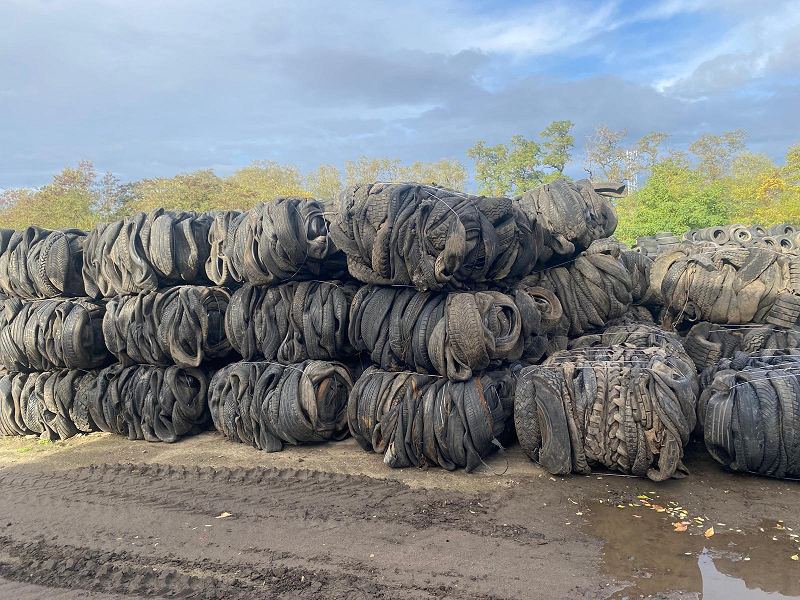 Baled end-of-life tyres
Whole end-of-life tyres pressed into wire-bound bales — the standard form for sea transport.
Baled end-of-life tyres
Whole end-of-life tyres pressed into wire-bound bales — the standard form for sea transport.
-
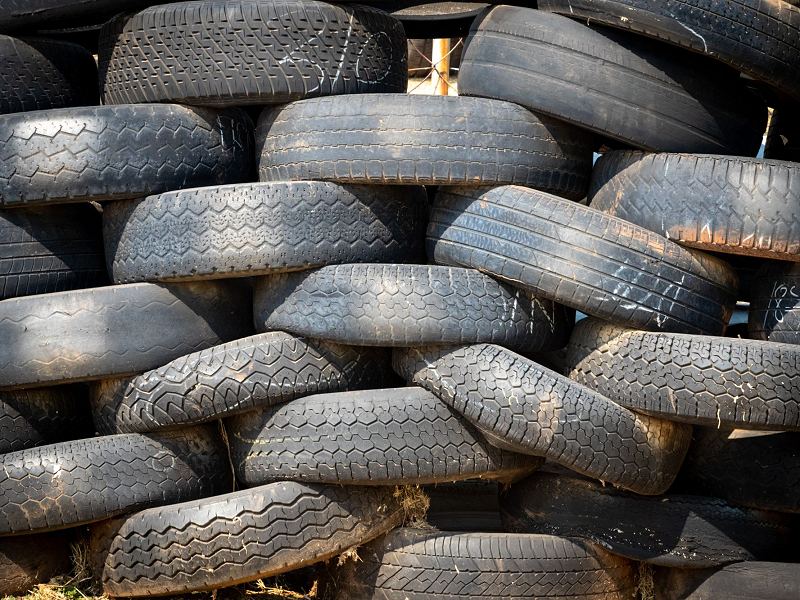 Part-worn tyres & casings
Part-worn tyres with tread and retreadable casings, sorted by tread depth and condition.
Part-worn tyres & casings
Part-worn tyres with tread and retreadable casings, sorted by tread depth and condition.
-
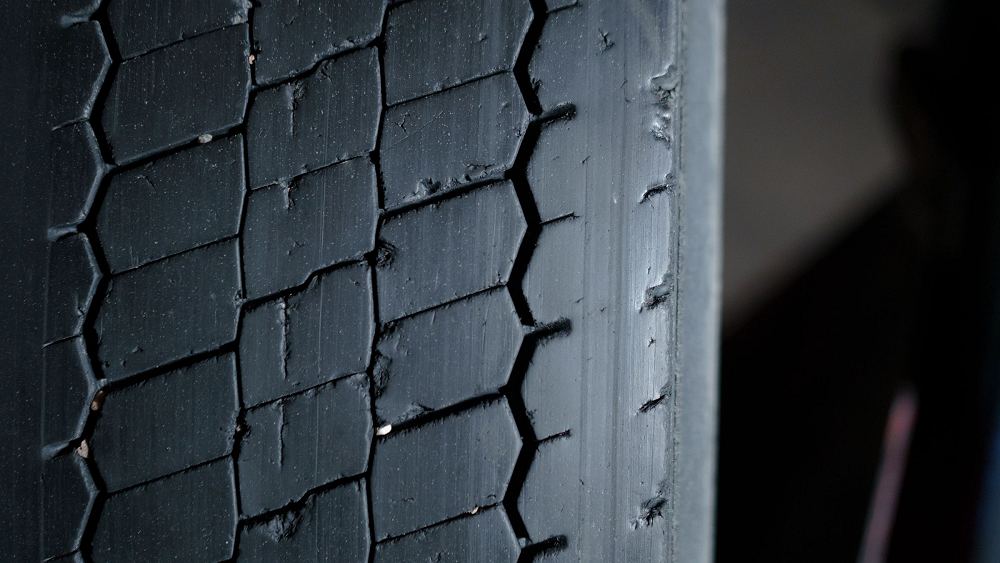 Tyre shred & TDF
Shredded end-of-life tyres in defined particle sizes, with or without wire separation.
Tyre shred & TDF
Shredded end-of-life tyres in defined particle sizes, with or without wire separation.
-
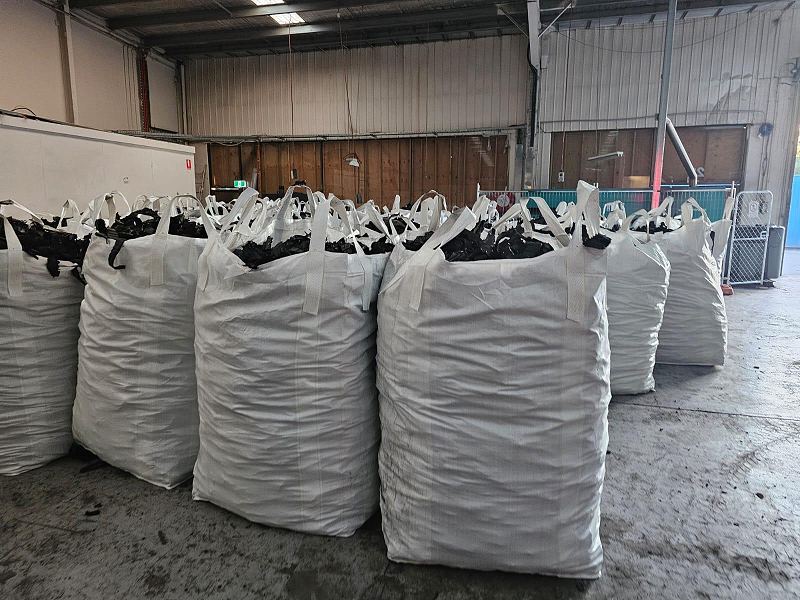 Rubber granulate & rubber powder
Rubber granulate and rubber powder recovered from end-of-life tyres in defined particle sizes.
Rubber granulate & rubber powder
Rubber granulate and rubber powder recovered from end-of-life tyres in defined particle sizes.
-
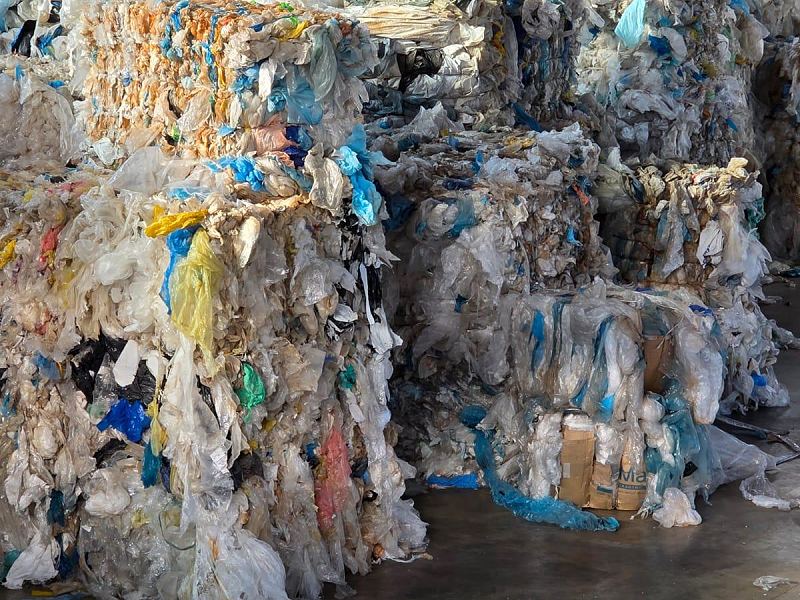 Plastics
Films, rigid plastics and mixed fractions, baled and separated by polymer.
Plastics
Films, rigid plastics and mixed fractions, baled and separated by polymer.
-
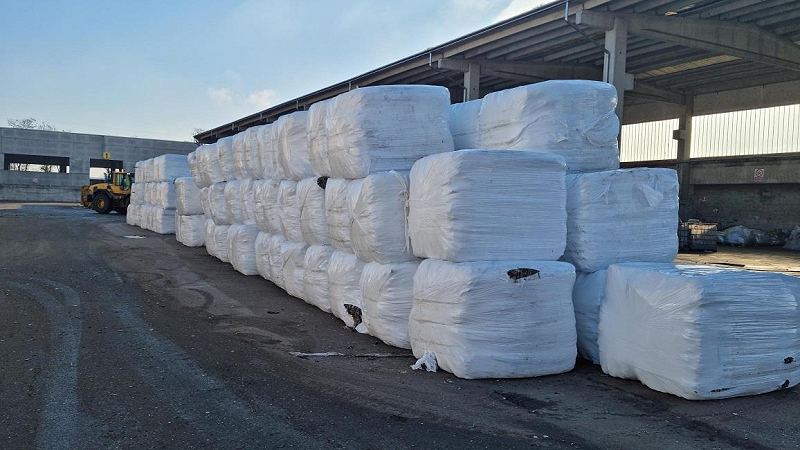 Solid Recovered Fuel (SRF)
Highly processed recovered fuel, 25 – 30 MJ/kg, classified to EN ISO 21640.
Solid Recovered Fuel (SRF)
Highly processed recovered fuel, 25 – 30 MJ/kg, classified to EN ISO 21640.
-
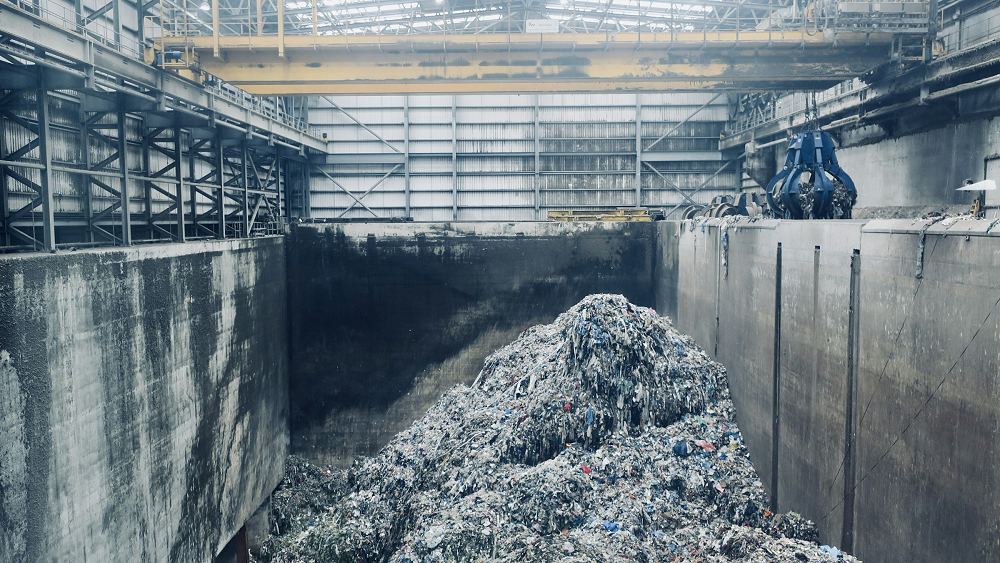 Refuse Derived Fuel (RDF)
Mechanically processed recovered fuel, 20 – 25 MJ/kg, with no fixed classification standard.
Refuse Derived Fuel (RDF)
Mechanically processed recovered fuel, 20 – 25 MJ/kg, with no fixed classification standard.
Direct contact
Request a quotation
Give us the product, the volume, the destination port and the delivery term you want — you will receive a quotation with specification and loading plan.
Send an enquiry