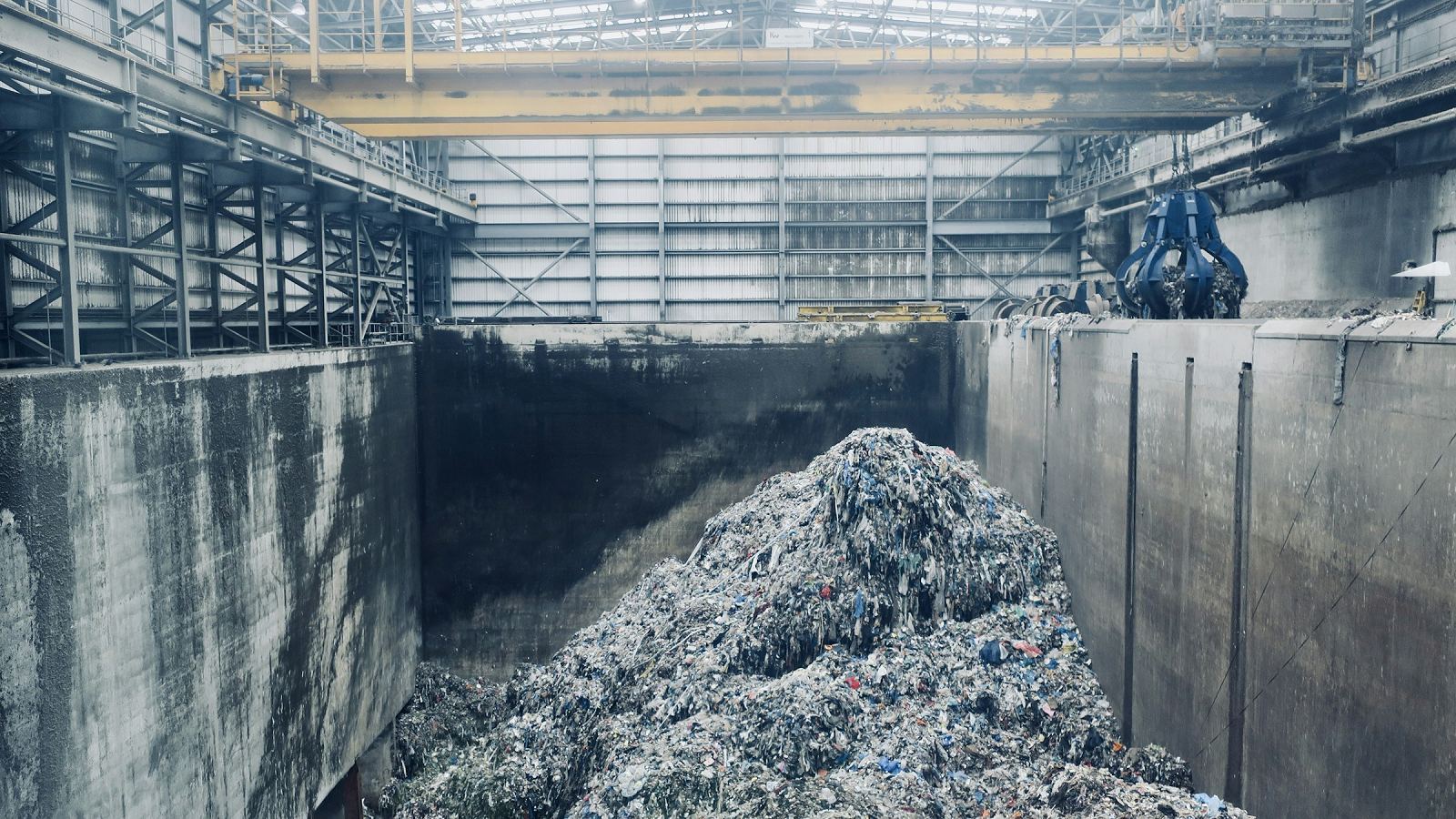
SH-RDF Waste code (AVV) 19 12 12
Refuse Derived Fuel (RDF)
20 – 25 MJ/kg, mechanically processed
The cruder, mechanically processed recovered fuel from mixed commercial and municipal waste — the economic choice wherever the combustion plant does not call for SRF quality.
What sets RDF apart from SRF
RDF is a partially processed fuel from mixed municipal or commercial waste. Processing is essentially limited to mechanical steps: shredding, screening and taking out the disruptive constituents. SRF goes through intensive sorting, drying and cleaning on top of that, and therefore reaches a higher calorific value at a lower water and chlorine content.
For RDF there is no binding international quality standard of the kind EN ISO 21640 sets for SRF. The requirements are therefore agreed bilaterally between supplier and buyer. If you need a fixed classification you can rely on, SRF is the right material; if you run a permitted plant with tolerance for cruder material, RDF is usually the cheaper way.
Origin
Our RDF comes from processing plants in Europe that treat mixed commercial and municipal waste mechanically. Recyclable fractions and metals are taken out beforehand.
Typical constituents
- Mixed plastics with no route to material recycling
- Paper, board and composite packaging
- Wood and textile fractions
- A higher water content than SRF
- Metals and mineral fractions largely separated out
Specification
The calorific value given is the typical range of our running material. As there is no binding classification standard for RDF, the remaining parameters are agreed with each buyer and evidenced for every batch.
| Waste code (AVV) | 19 12 12 |
|---|---|
| Customs tariff number (HS) | 3825.10 |
| Classification | no binding standard; specification by agreement |
| Net calorific value (NCV) | 20 – 25 MJ/kg |
| Calorific value in kcal | 4,780 – 5,975 kcal/kg |
| Water content (%) | on request |
| Chlorine (Cl) (%) | on request |
| Ash content (%) | on request |
| Particle size | matched to the combustion plant mm |
Delivery form & logistics
| Packing | Film-wrapped bales or loose |
|---|---|
| Mode of shipment | Walking-floor trailer, 40 ft container, bulk vessel |
| Load weight per container (t) | on request |
| Stowage requirement (m³/t) | on request |
| Delivery terms | FCA, FOB, CIF, DAP — Incoterms 2020 |
| Availability | continuous, contract-dependent |
What the fuel does not contain
The cruder fuel is no exception: whatever puts the permit values of the combustion plant at risk does not belong in it. Excluded are:
- Hazardous waste of any kind
- Infectious medical waste
- Batteries and waste electrical equipment
- Asbestos and asbestos-containing materials
- Radioactive substances
- Mineral fractions above the agreed tolerance
How buyers use it
-
Cement industry
Substitution of fossil fuels in the rotary kiln.
-
SRF power plants
Power and heat generation in plants designed for it.
-
Industrial furnaces
Process heat in permitted combustion plants.
-
Further processing
Feedstock for plants that upgrade it to SRF quality.
Frequently asked questions
- Why should I take RDF rather than SRF?
- Because of the price. If your plant is permitted and copes with cruder material and a higher water content, you are paying for the extra processing in SRF and getting nothing back for it. If your process does need a stable calorific value and a low chlorine content, SRF is the right choice.
- Is there a class code for RDF?
- No. Classification to EN ISO 21640 applies to SRF. For RDF we agree the specification bilaterally and evidence it for every batch with an analysis.
- Can you supply both grades from one source?
- Yes. Many buyers run their base load on RDF and cover peaks or particularly sensitive process phases with SRF. We arrange both within one contract.
Waste shipment
Which rules apply to the export of our materials — and which part of it we take on.
Our grades
-
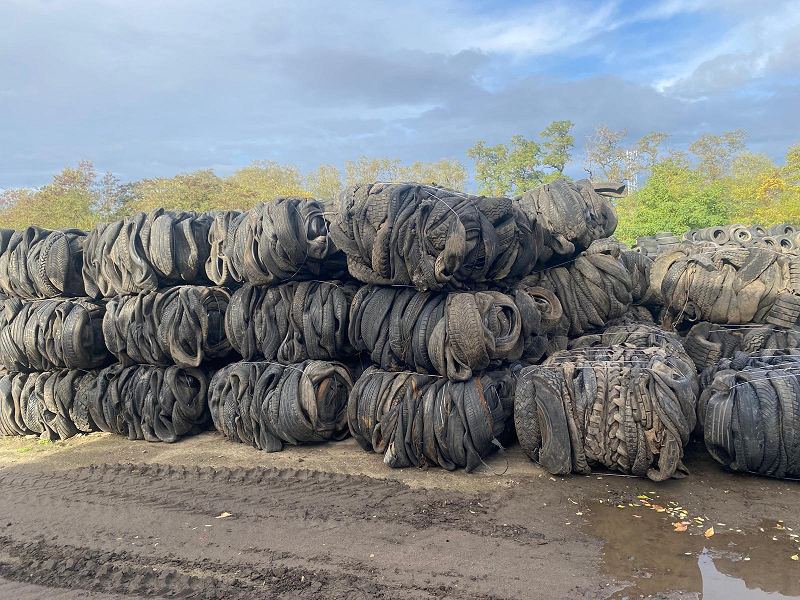 Baled end-of-life tyres
Whole end-of-life tyres pressed into wire-bound bales — the standard form for sea transport.
Baled end-of-life tyres
Whole end-of-life tyres pressed into wire-bound bales — the standard form for sea transport.
-
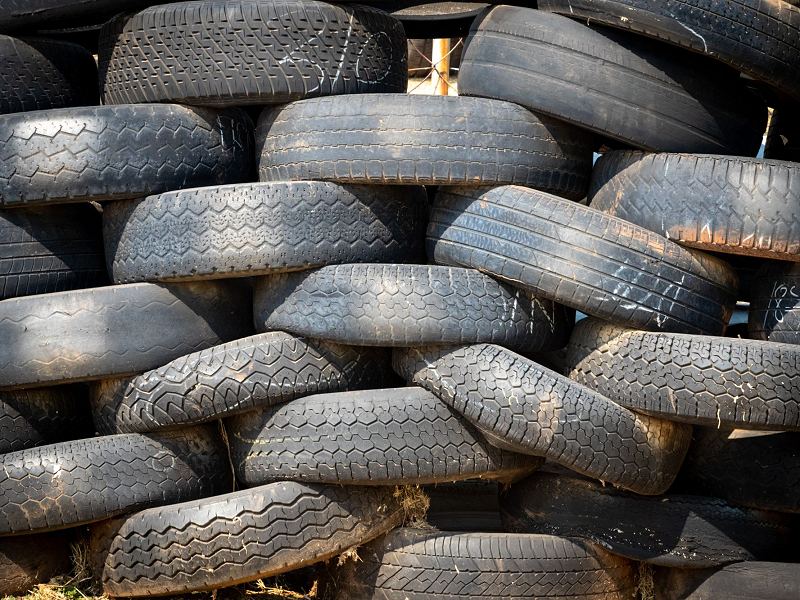 Part-worn tyres & casings
Part-worn tyres with tread and retreadable casings, sorted by tread depth and condition.
Part-worn tyres & casings
Part-worn tyres with tread and retreadable casings, sorted by tread depth and condition.
-
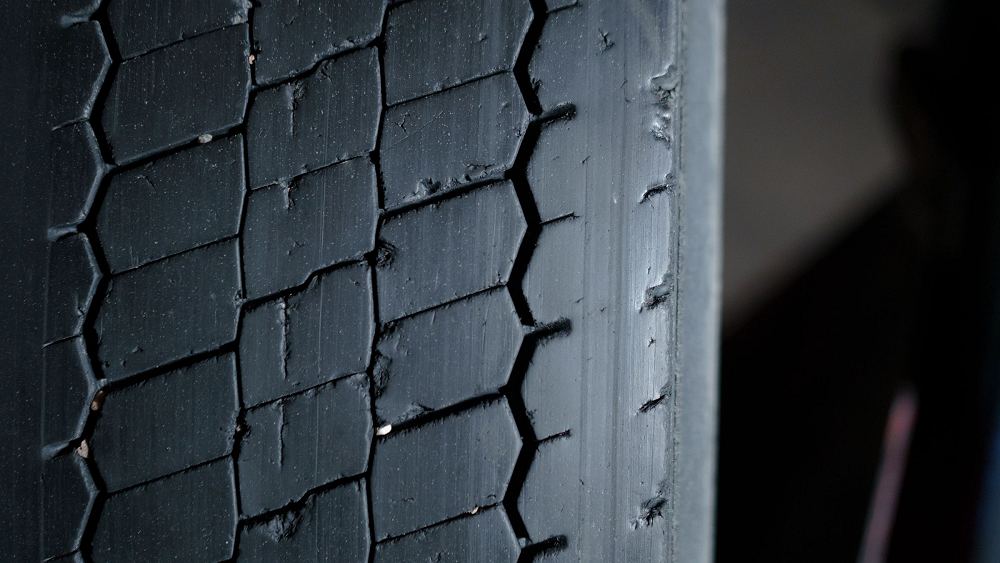 Tyre shred & TDF
Shredded end-of-life tyres in defined particle sizes, with or without wire separation.
Tyre shred & TDF
Shredded end-of-life tyres in defined particle sizes, with or without wire separation.
-
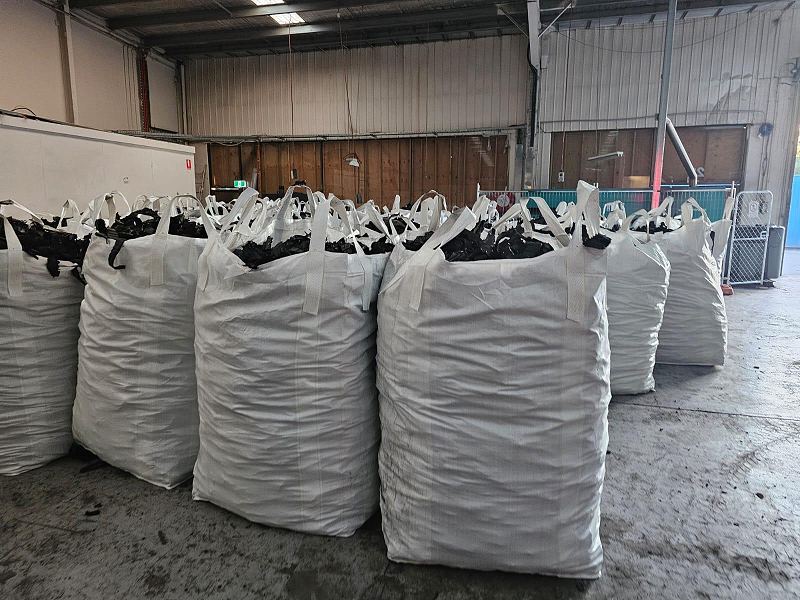 Rubber granulate & rubber powder
Rubber granulate and rubber powder recovered from end-of-life tyres in defined particle sizes.
Rubber granulate & rubber powder
Rubber granulate and rubber powder recovered from end-of-life tyres in defined particle sizes.
-
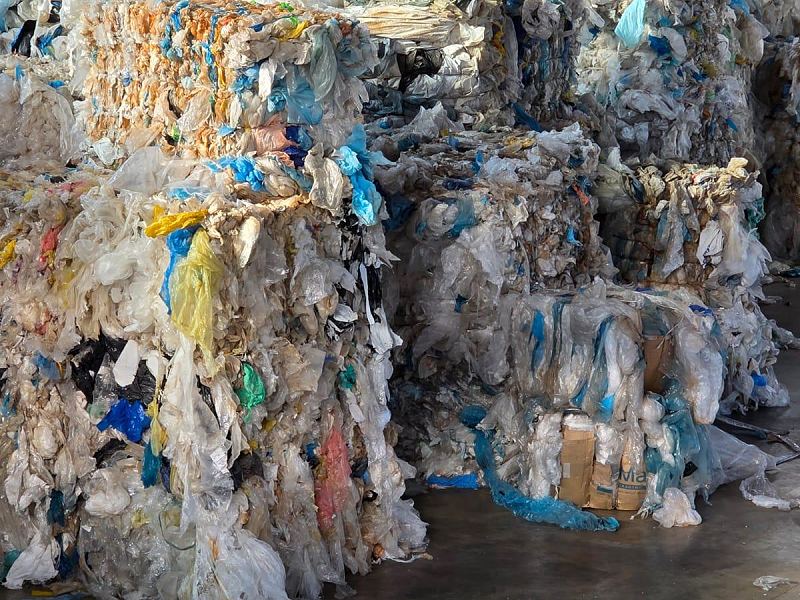 Plastics
Films, rigid plastics and mixed fractions, baled and separated by polymer.
Plastics
Films, rigid plastics and mixed fractions, baled and separated by polymer.
-
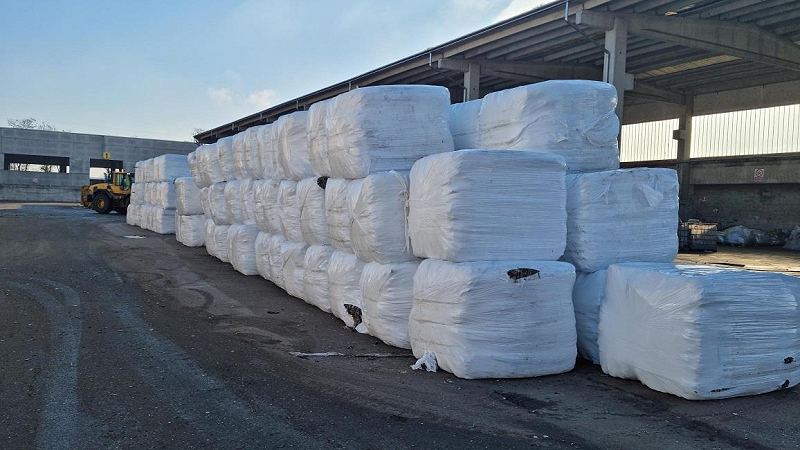 Solid Recovered Fuel (SRF)
Highly processed recovered fuel, 25 – 30 MJ/kg, classified to EN ISO 21640.
Solid Recovered Fuel (SRF)
Highly processed recovered fuel, 25 – 30 MJ/kg, classified to EN ISO 21640.
-
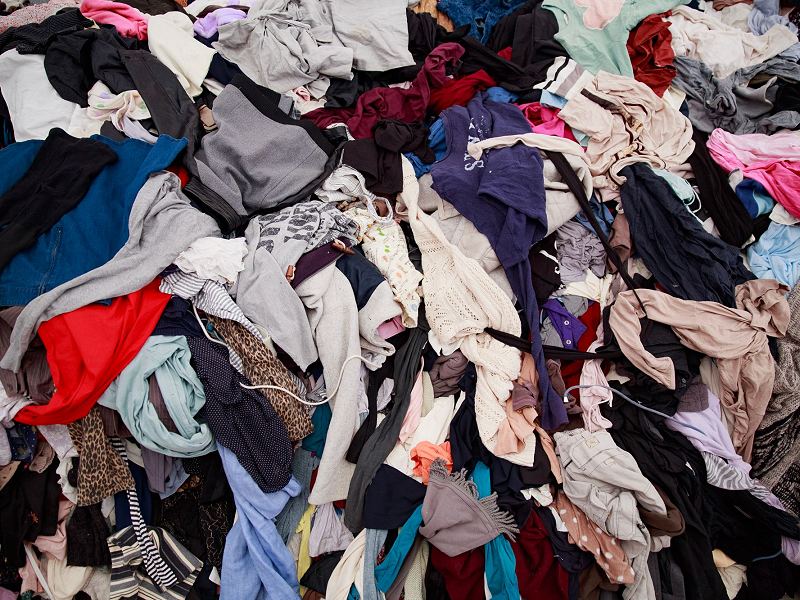 Mixed textile waste, non-hazardous
Baled post-consumer textiles, around 60 % polyester, 21 – 25 MJ/kg.
Mixed textile waste, non-hazardous
Baled post-consumer textiles, around 60 % polyester, 21 – 25 MJ/kg.
Direct contact
Request a quotation
Give us the product, the volume, the destination port and the delivery term you want — you will receive a quotation with specification and loading plan.
Send an enquiry