Which regulation applies
Shipments of waste across borders are governed by a single set of rules across the European Union. The applicable act is Regulation (EU) 2024/1157 on shipments of waste. It replaced Regulation (EC) No 1013/2006, which had set the framework since 2007. The basic structure has not changed: for some waste a document travelling with the load is enough, for the rest the authorities must give their written consent before the first transport. What is new are stricter rules for exports out of the EU, closer scrutiny of how the waste is recovered in the destination country, and fully electronic handling of the paperwork.
The Regulation also transposes the Basel Convention and the decisions of the OECD Council into European law. Anyone exporting therefore deals with several layers at once: the international convention, the EU Regulation, and the national law of the country of dispatch, the countries of transit and the country of destination. German law adds the Abfallverbringungsgesetz (Waste Shipment Act), which sets out competences and penalties. In Germany the competent authority of dispatch is the authority of the federal state from which the waste is shipped.
The green list, B3140 and how material is classified
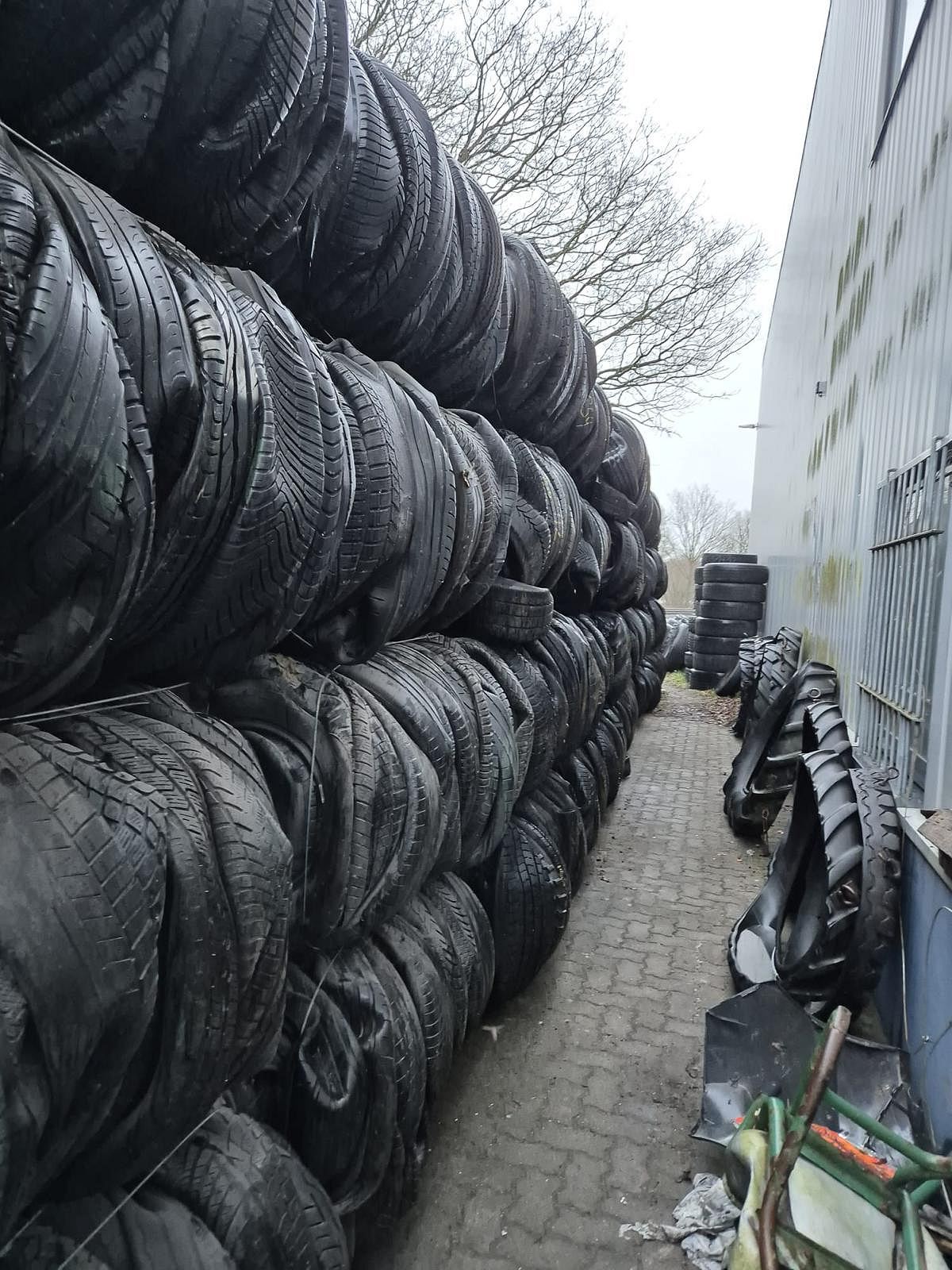
The Regulation distinguishes waste on the so-called green list from everything else. The green list goes back to Annex IX of the Basel Convention. For used tyres the relevant entry is B3140, which covers waste pneumatic tyres provided they are not destined for disposal. If a waste is green-listed and destined for recovery, the Annex VII information procedure may apply. If it is not listed, is hazardous, mixed or contaminated, the notification procedure applies instead.
Classification does not follow the wording of the contract but the actual condition of the material. A list entry offers no protection if the load contains foreign matter that prevents environmentally sound recovery, or if several waste types are mixed in a way the Regulation does not allow. In those cases even green-listed waste is subject to notification. For the usual materials this produces a mixed picture.
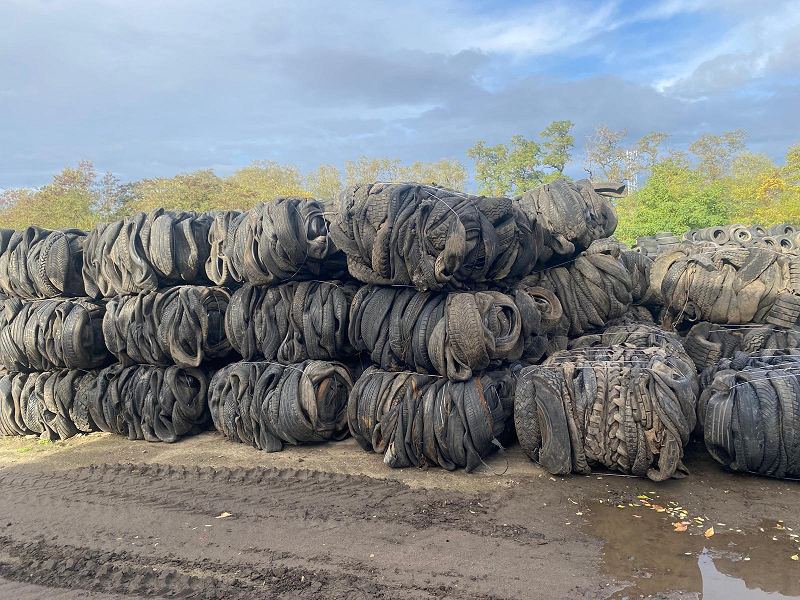
- End-of-life tyres: entry B3140, normally single-type and free of adhering foreign matter, destined for recovery.
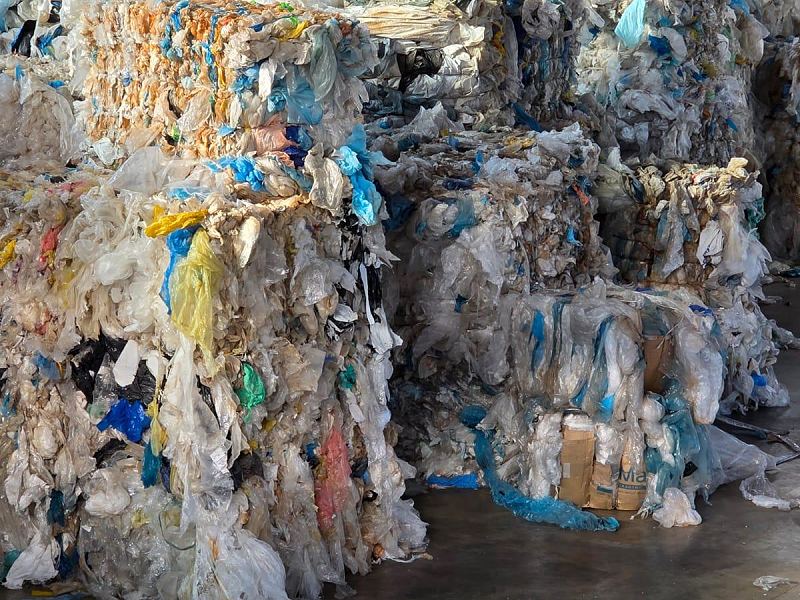
- Plastic waste: differentiated since the Basel plastics amendment; only single-polymer, almost uncontaminated fractions destined for recycling fall under the green entry, mixtures and contaminated material do not.
- Shred and rubber fractions from tyre processing: classification depends on origin, particle size and purity, and textile and steel content has to be assessed.
- Solid recovered fuel (SRF/EBS): blends prepared for energy recovery are generally not green-listed and are therefore subject to notification.
- Waste destined for disposal: exporting it out of the EU is prohibited in principle, whatever the listing says.
The Annex VII information procedure
The Annex VII document is neither an application nor a permit. It is an information sheet that accompanies the load from the start of the transport to its end and shows an inspecting authority who arranged the shipment, what is being carried, where it is going and which recovery operation is planned. Among other things it states the parties with their addresses and contacts, the quantity, the waste code under the green list and under the European List of Waste, the means of transport, the recovery facility and the intended recovery operation.
The document is filled in and signed by the person who arranges the shipment. That is not automatically the producer. It can be a trader, a broker or a collector who consolidates the material and organises the transport. Whoever takes on that role is responsible for the accuracy of the entries. The contract should therefore state clearly who arranges the shipment and who prepares the documents.
The procedure also requires a contract between the person who arranges the shipment and the facility that recovers the waste. It has to be effective when the transport starts. It governs what happens if the shipment cannot be completed or turns out to be illegal: the material must then be taken back or recovered in another environmentally sound way, and the costs of doing so must be borne. The authority may ask to see the contract.
- The person arranging the shipment fills in the document and signs it before the transport begins.
- The document travels with the load for the whole journey; the carrier signs on taking it over.
- The recovery facility confirms receipt and the completion of recovery.
- All parties keep a copy and produce it to the competent authority on request; the Regulation sets a retention period of five years.
- The contract with the recovery facility must be in place when the transport starts.
Notification and written consent
The notification procedure is a check carried out in advance. The notifier submits the planned shipment to the competent authority of dispatch, which passes the case on to the authorities of transit and destination. Only once all the authorities involved have given their consent may the first transport start. Consent can carry conditions, for example on routes, packaging or reporting on where the waste ends up.
Consent is not open-ended. It is granted for a defined period and for a defined total quantity. Each individual shipment under that consent is announced and documented with a movement document; the receiving facility confirms arrival and, later, that recovery has been completed. Once the quantity is used up or the period has expired, a new notification is needed.
Before consent is given, a financial guarantee or equivalent insurance has to be provided. It is meant to cover the costs that arise if a shipment has to be taken back, stored or otherwise disposed of. Its amount and form depend on quantity, waste type and route. The guarantee is released only once recovery has been evidenced.
- Notification document with details of the waste, the parties, the route and the recovery operation.
- Movement document for each individual shipment.
- Contract between the notifier and the receiving facility, including the duty to take the waste back.
- Financial guarantee or equivalent insurance before the shipment starts.
- Evidence on the receiving facility: authorisation, capacity, process and handling of residues.
- Written consent from the authorities of dispatch, transit and destination.
The two procedures compared
The table below sets out the main differences. It does not replace an assessment of the individual case, but it shows what buyers and sellers have to plan for before they commit to delivery dates.
| Feature | Annex VII procedure | Notification procedure |
|---|---|---|
| Waste covered | Green-listed waste for recovery, single-type and not contaminated | Hazardous, unlisted, mixed or contaminated waste, and waste destined for disposal |
| Consent from authorities | Not required | Written consent from dispatch, transit and destination before the first transport |
| Documents | Annex VII document and contract with the recovery facility | Notification document, movement document, contract and evidence on the facility |
| Financial guarantee | Not provided for | To be provided before the shipment starts |
| Lead time | As soon as the contract and the paperwork are complete | Weeks to months, depending on the countries and on follow-up questions |
| Validity | Per transport | For a defined period and a defined total quantity |
| Control en route | The document travels with the load | The movement document travels with each individual shipment |
Destination, OECD status and the Commission list
Which procedure applies depends not only on the waste but also on the destination. Within the EU and towards OECD countries the system described above, green list plus notification, applies. For exports to countries outside the OECD the Regulation is tighter. Non-hazardous waste may be exported there for recovery only if the country has stated that it accepts that waste and has shown that recovery there is carried out in an environmentally sound manner.
The European Commission maintains a list of the countries to which export is allowed and of the waste types covered in each case. If a country is not on that list, export there for recovery is not permitted, not even with a notification. Individual countries have also informed the Commission that they accept certain green-listed waste only under notification, or not at all; the stricter procedure then applies to that material. For plastic waste the Regulation provides for additional restrictions with their own transitional periods. Before every deal, the current position for the specific destination and the specific waste code therefore has to be checked.
Timing and electronic handling
The two procedures differ considerably in terms of planning. A load under the Annex VII procedure can move as soon as the contract with the recovery facility is in place and the paperwork is complete. A notification, by contrast, means a lead time of weeks to months. The authorities have deadlines for acknowledgement and decision, but those deadlines only start with a complete submission, and questions about the facility or the financial guarantee effectively reset them. Anyone promising fixed delivery dates before consent is granted is planning against the procedure.
Regulation (EU) 2024/1157 requires notifications, movement documents and the Annex VII information to be submitted and exchanged between authorities electronically. A central system is provided for, to which the national systems are connected. In practice this means that facility master data, waste descriptions and signing authorities must be maintained before the first case is submitted. Paper-based processes in the background otherwise cause delays that cannot be made up later in the procedure.
In every deal it has to be settled up front who arranges the shipment, which procedure applies to the specific material and the specific destination, which documents must be available at which point, and who keeps them for how long. These points belong in the contract before the first load moves. We work through them with the supplier and the receiving side when enquiries come in for end-of-life tyres, rubber, plastics and solid recovered fuel.
Frequently asked questions
- Does the Annex VII procedure always apply to end-of-life tyres?
- No. Entry B3140 covers waste pneumatic tyres destined for recovery. If the tyres are mixed with other waste, heavily contaminated or destined for disposal, the notification procedure applies. The destination can also decide the matter: some countries accept green-listed waste only under notification, or not at all.
- Who fills in the Annex VII document and who signs it?
- It is filled in and signed before the transport starts by the person who arranges the shipment. That can be the producer, a collector, a trader or a broker. The carrier signs on taking the load over, and the recovery facility confirms receipt and the completion of recovery. All parties keep a copy.
- How long does a notification take?
- No reliable single figure can be given. Weeks to months is realistic, because three sides are involved: dispatch, transit and destination. The authorities' deadlines only run from a complete submission. Missing evidence on the receiving facility and open questions about the financial guarantee are the most common causes of delay.
- What applies to plastic waste and solid recovered fuel?
- For plastic waste the decisive question is whether the fraction is single-polymer, almost uncontaminated and destined for recycling; otherwise it is subject to notification. Additional restrictions apply to exports out of the EU. Solid recovered fuel is a prepared blend and generally not green-listed, so the notification procedure is the relevant one.
- Does this article replace a legal assessment?
- No. The text gives general information on the state of the rules and is not legal advice. The classification of a specific waste, the applicable procedure and the admissibility of an export are decided by the competent authority in the individual case. Binding information comes from the competent state authority and, where needed, from legal advice.