AVV waste codes: why the code matters
Every waste in Germany is given a six-digit code from the Abfallverzeichnis-Verordnung (AVV, the German waste catalogue ordinance). That code appears on the delivery note, in the register, in the record-keeping documents and, for an export, in the shipment papers as well. Almost everything else follows from it: whether the waste is hazardous, whether a notification or a permit is needed, what documentation has to be kept, and which facility may accept the material at all.
In the tyre and rubber field only a few codes matter. What counts is that the code describes the actual waste rather than the most convenient catch-all entry. A wrong code does not only trigger questions from the authority; it can also mean that a facility refuses to accept the load or that a shipment is stopped.
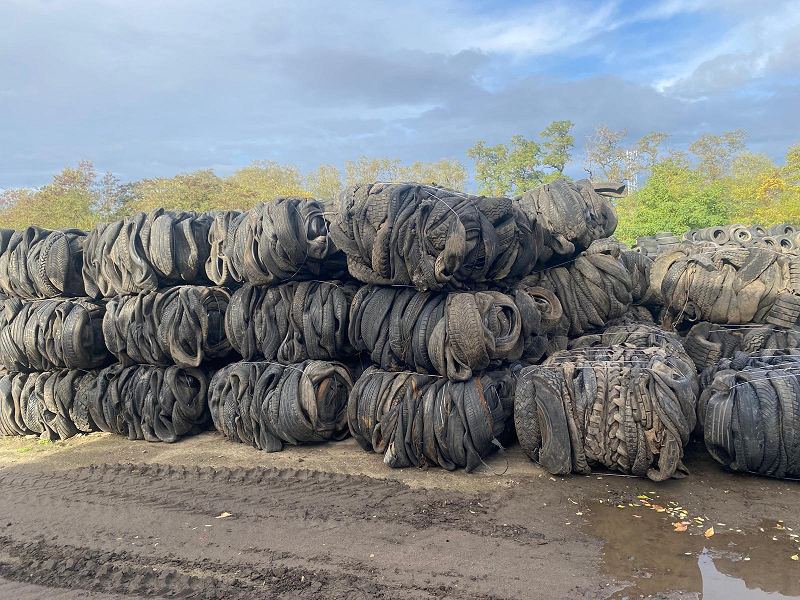
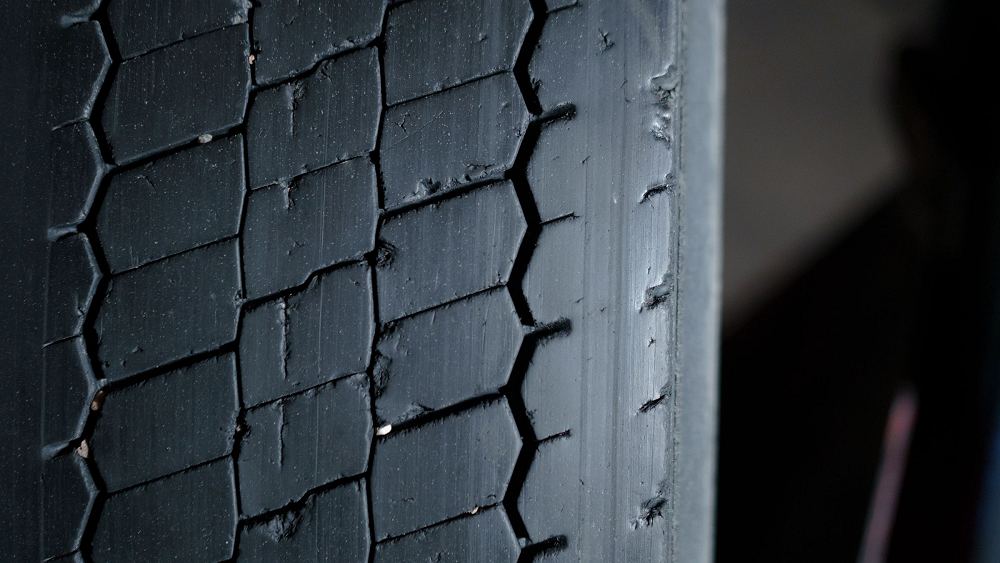
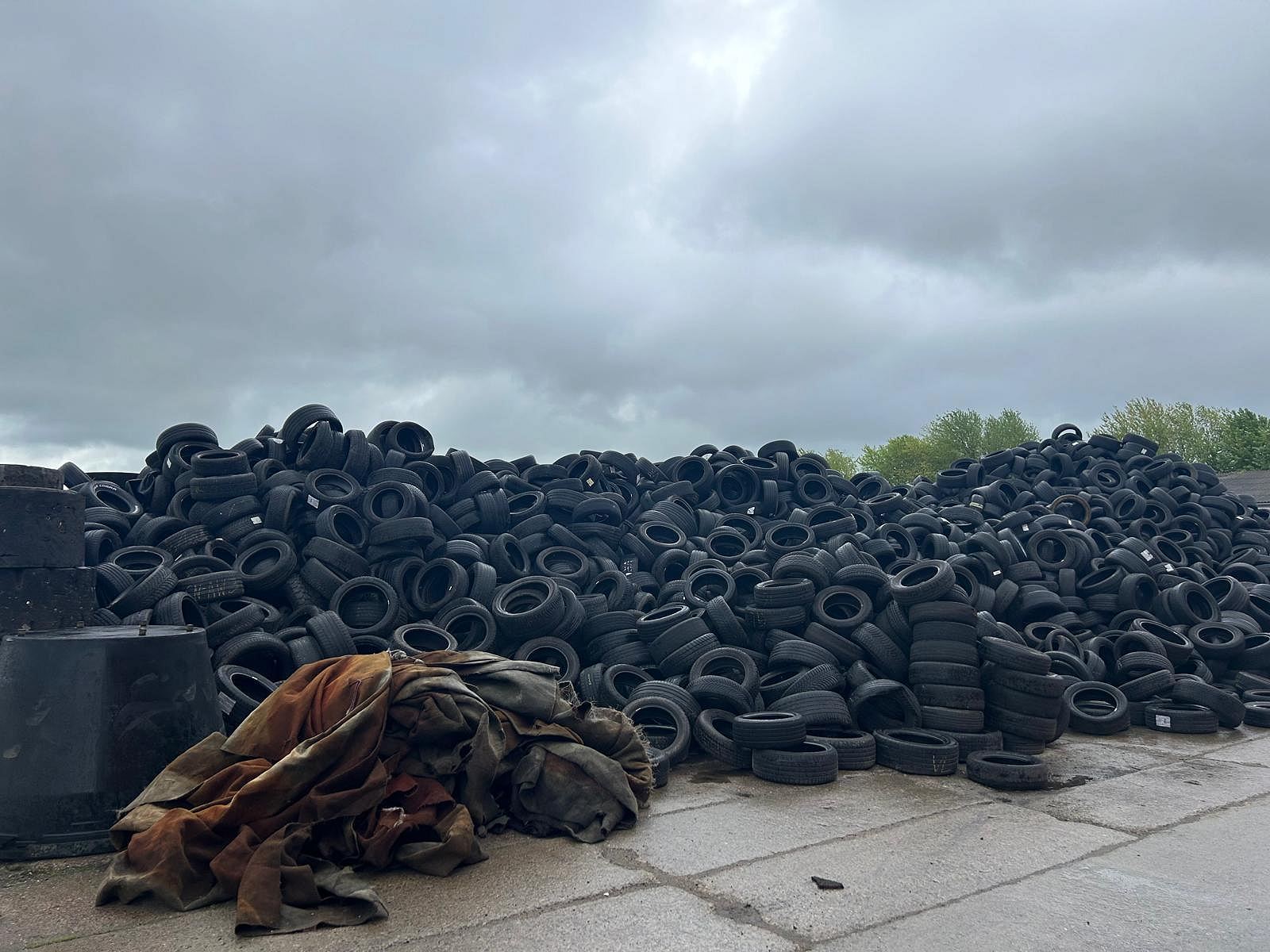
- 16 01 03 Altreifen (end-of-life tyres): tyres arising as waste, whether they are later recycled as material or recovered as energy.
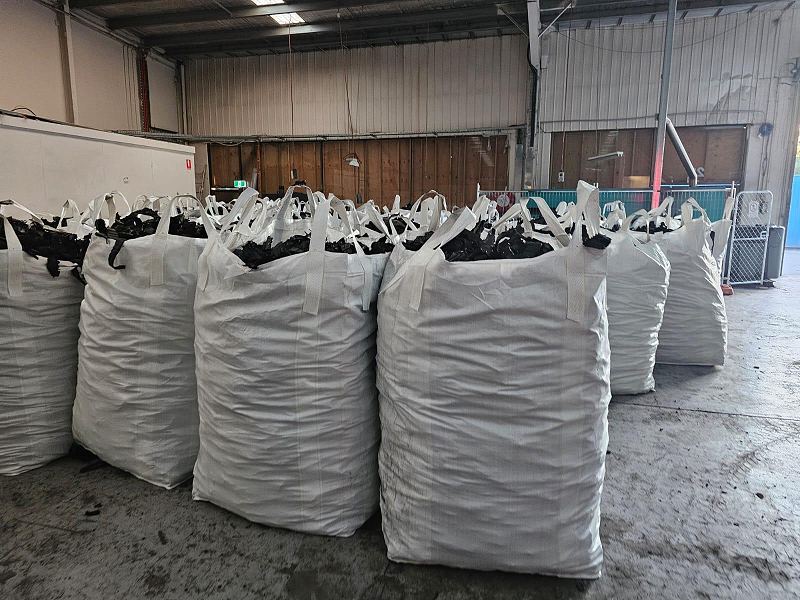
- 19 12 04 Kunststoff und Gummi (plastic and rubber): fractions from the mechanical treatment of waste, such as shred and rubber fractions from tyre processing.
- 19 12 10 combustible waste: the usual code for solid recovered fuel produced by a processing plant.
- 19 12 12 other wastes from the mechanical treatment of waste: a catch-all entry that is frequently used too broadly.
- Codes marked with an asterisk denote hazardous waste; classification follows the AVV, not the view taken by the contracting parties.
§ 53 KrWG: the notification for non-hazardous waste
Anyone who collects, transports, trades in or brokers non-hazardous waste on a commercial basis or as part of a business must notify the competent authority before taking up the activity, under § 53 of the Kreislaufwirtschaftsgesetz (KrWG, the German Circular Economy Act). The Anzeige (notification) is not a permit. The authority acknowledges receipt and can prohibit the activity if there are concerns. Changes and the end of the activity have to be notified as well.
The duty expressly covers traders and brokers too, that is, companies that never take possession of the waste. A business that buys end-of-life tyres and resells them without ever touching them is caught by it. For the responsible persons in the business the Act requires Fachkunde (technical competence) and Zuverlässigkeit (reliability). Technical competence is normally evidenced by relevant training, professional experience and recognised courses, reliability by extracts from the commercial central register and the certificate of good conduct.
There is one exemption that matters in practice. A business that transports non-hazardous waste arising from its own commercial activity and does not exceed 20 tonnes per calendar year does not have to notify that activity. The details are set out in the Anzeige- und Erlaubnisverordnung (AbfAEV, the ordinance on notification and permit procedures). Separately, vehicles used to carry waste commercially have to display the A sign under § 55 KrWG.
- Who is covered: collectors, carriers, traders and brokers of non-hazardous waste, even without possession of the material.
- When: before taking up the activity, and likewise on changes and on ceasing it.
- To whom: the competent authority of the federal state where the company has its seat.
- What is examined: technical competence and reliability of the owners and the responsible persons.
- Exemption: carrying the business's own non-hazardous waste up to 20 tonnes per calendar year.
§ 54 KrWG: the permit for hazardous waste
Where hazardous waste is involved, a notification is not enough. For collecting, transporting, trading in and brokering hazardous waste, § 54 KrWG requires an Erlaubnis (permit). It is granted on application if the responsible persons are reliable and have the necessary technical competence and if the staff are suitably qualified. The permit can be limited in time, subject to conditions, and restricted to certain waste types. Without it the activity may not be carried out.
One point matters in practice: certified Entsorgungsfachbetriebe (certified waste management companies) are exempt from the permit requirement, as far as the certification covers the activity in question. That is one of the reasons customers ask to see the certificate. Anyone relying on it should check whether the specific activity and the specific waste type are actually named in it. End-of-life tyres and rubber fractions are as a rule not hazardous; matters change where oils, solvents or contaminated shredder fractions are involved.
Entsorgungsfachbetrieb status under § 56 KrWG
The Entsorgungsfachbetrieb is a voluntary certification under § 56 KrWG and the Entsorgungsfachbetriebeverordnung (the ordinance on certified waste management companies). Certification is carried out by a technische Überwachungsorganisation (technical monitoring organisation) or a recognised Entsorgergemeinschaft (accredited industry certifier). What is examined is not a single transaction but the business: its organisation, its plant, its staff and its documentation. The result is a certificate naming the activities, waste types and sites it covers.
The certificate is issued for a limited period and confirmed by recurring surveillance. Both facts matter when checking a business partner: an expired certificate says nothing about the present state of affairs, and a valid certificate for collecting and transporting does not automatically cover trading or treatment. The annex setting out the scope is therefore the part that carries the information.
Customers ask for the certificate for two reasons. First, for hazardous waste it takes the place of the permit under § 54 KrWG. Second, it evidences that an independent expert has inspected the business. It is not a guarantee for every single delivery; the supplier's own duties of care remain in place.
- Business organisation, responsibilities and deputising arrangements
- Technical competence of the staff and regular further training
- Reliability of the owners and the responsible persons
- Plant, storage areas, fire protection and handling of substances hazardous to water
- Acceptance, labelling, storage and documentation of the waste
- Required authorisations, insurance cover and orderly procedures when things go wrong
Records and registers: the electronic record-keeping procedure
Documentation of waste management is governed by the Nachweisverordnung (record-keeping ordinance). For hazardous waste a two-stage system applies: before treatment begins, an Entsorgungsnachweis (pre-approved disposal record) establishes that the intended facility can accept the waste and handle it properly. Each individual handover is then documented with a Begleitschein (consignment note). Both run electronically through the eANV, the electronic record-keeping procedure, and the parties sign with a qualified electronic signature. That requires a signature card, a reader and a connected provider or authority portal.
For non-hazardous waste the duty is considerably lighter. The Entsorgungsnachweis and the Begleitschein do not apply. Waste management companies keep a Register (record book) of the waste they accept and pass on; for producers, carriers, traders and brokers the competent authority may order a register to be kept. Registers have to be produced on request and kept for several years. In practice weighing notes, delivery notes and acceptance confirmations carry the evidential weight. A business that keeps them properly can show at any time what quantity went to whom and when.
| Duty | Non-hazardous waste | Hazardous waste |
|---|---|---|
| Collecting, transporting, trading, brokering | Anzeige under § 53 KrWG | Erlaubnis under § 54 KrWG |
| Technical competence and reliability | Required of the responsible persons | Required, evidenced in the permit procedure |
| Advance check | No Entsorgungsnachweis | Entsorgungsnachweis before treatment begins |
| Tracking of the material | Weighing note and delivery papers as agreed by contract | Begleitschein for every handover |
| Register | Register at the waste management company, others if the authority so orders | Register to be kept on an ongoing basis |
| Form | Electronic or paper form permitted | Electronic with a qualified electronic signature |
| Exemption | Own transports up to 20 tonnes per calendar year without notification | Certified Entsorgungsfachbetriebe without a permit |
What a supplier checks before handing over material
Handing waste to a buyer does not automatically end the supplier's responsibility. Under the Kreislaufwirtschaftsgesetz the producer or holder remains responsible for proper waste management until it has been completed. A business that hands material to a company without the required notification or permit has a problem, even if the buyer pays cash and organises the transport itself.
The effort involved in checking is modest if it is done before the first deal and documented. The following points belong in a supplier file and should be looked at again whenever an arrangement is renewed.
- Anzeige under § 53 KrWG or Erlaubnis under § 54 KrWG: is it in place, in whose name is it issued, which activities does it cover?
- Entsorgungsfachbetrieb certificate: check the period of validity, the sites, the activities and the waste types, not just the cover page.
- Role of the contracting party: actual recipient, or a trader or broker who resells?
- Destination facility: name, address, recovery operation and, for an export, the applicable shipment procedure.
- Papers per delivery: waste code, weighing note, vehicle and carrier, acceptance confirmation.
- Contractual provision for the case where a delivery is rejected or the facility cannot accept it.
Limits of this article and a note
This article gives general information on the state of German waste law and is not legal advice. Whether an activity requires a notification or a permit, which waste code applies and what documentation is demanded in a specific case is decided by the competent authority in the individual case. The federal states organise competences and procedures differently, and ordinances change.
For a deal this means: before the first delivery, the waste code, the roles of the parties, the records and the route the material takes should be set out in writing, and both sides should exchange their documents. When enquiries come in for end-of-life tyres, shred, granulate, plastics and solid recovered fuel, we go through these points with the business partner before the first load is dispatched.
Frequently asked questions
- Do I need a notification if I only buy and resell end-of-life tyres?
- As a rule, yes. The notification duty under § 53 KrWG also covers traders and brokers who never take possession of the waste. What counts is the activity, not possession of the material. For hazardous waste the notification is replaced by the permit under § 54 KrWG.
- Is a notification under § 53 KrWG enough for an export?
- No. The notification concerns the activity within Germany. A shipment across the border is additionally governed by European waste shipment law, with either the Annex VII procedure or a notification. The two have to be assessed separately; one duty does not replace the other.
- Does a supplier have to keep a register for non-hazardous waste?
- For non-hazardous waste the register duty is graduated: waste management companies keep a register, and for the other parties the competent authority may order one. Either way it is sensible to keep weighing notes, delivery notes and acceptance confirmations in order, because they evidence where the material went if a dispute arises.
- How do I tell whether an Entsorgungsfachbetrieb certificate fits?
- By its scope and its period of validity. The certificate names the certified activities, the waste types and the sites. If it covers collecting and transporting, it does not automatically apply to trading, storage or treatment. Check as well whether the issuer is a technische Überwachungsorganisation or a recognised Entsorgergemeinschaft.